
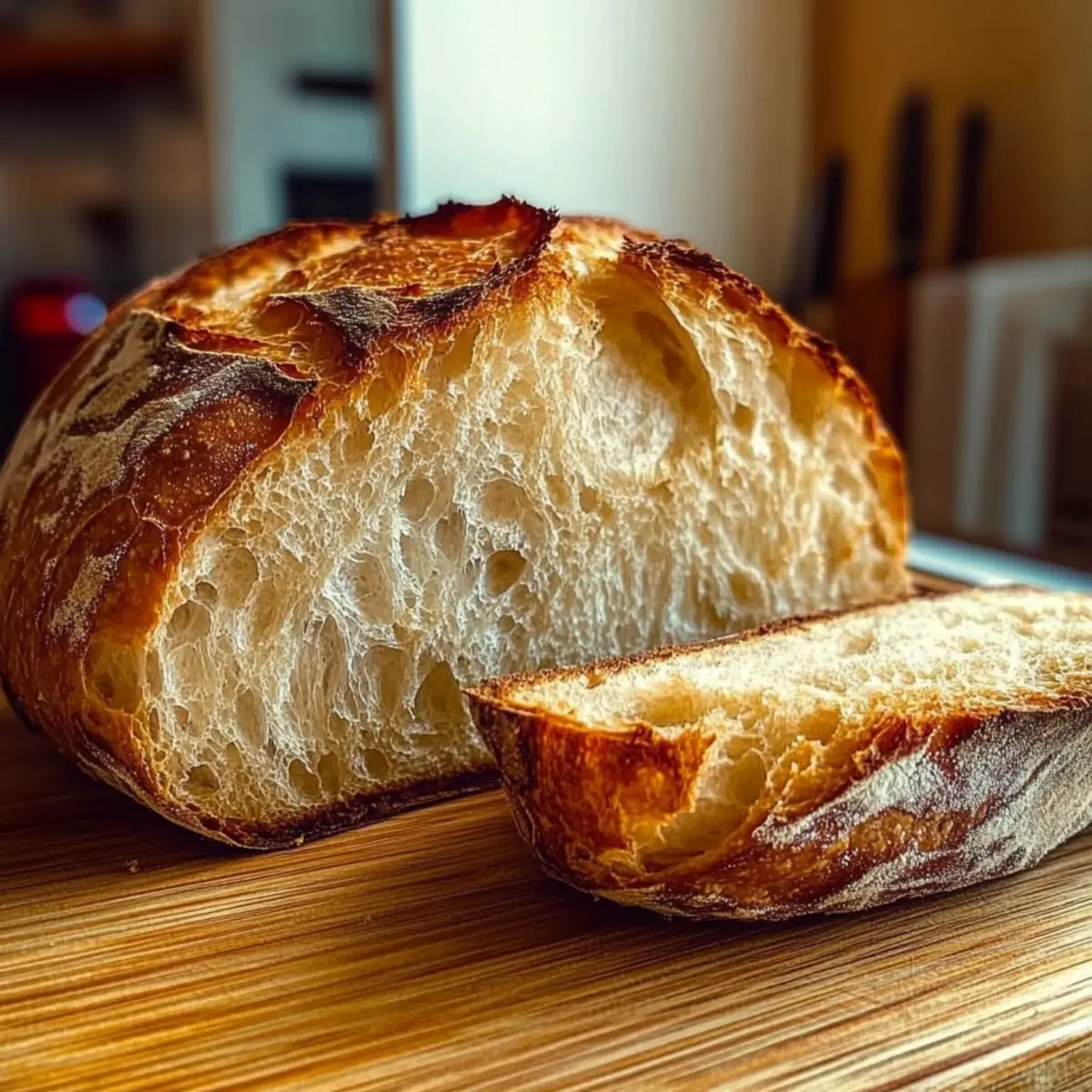
The moment I opened my oven door, an enchanting aroma wafted through my kitchen, instantly transforming it into a cozy haven. My heart raced as I revealed a golden loaf of artisan sourdough bread, its crispy crust crackling softly—a true labor of love. This sourdough recipe invites both novices and seasoned bakers to roll up their sleeves and experience the wonder of homemade goodness. Not only are the steps straightforward and easy to follow, but the rewards are brilliant: a deliciously crusty loaf that’s perfect for sandwiches or simply slathered with butter, plus the satisfaction that comes from mastering the artisanal process. Are you ready to embark on the flavorful journey of crafting your own sourdough? Let’s dive in!
What makes sourdough bread irresistible?
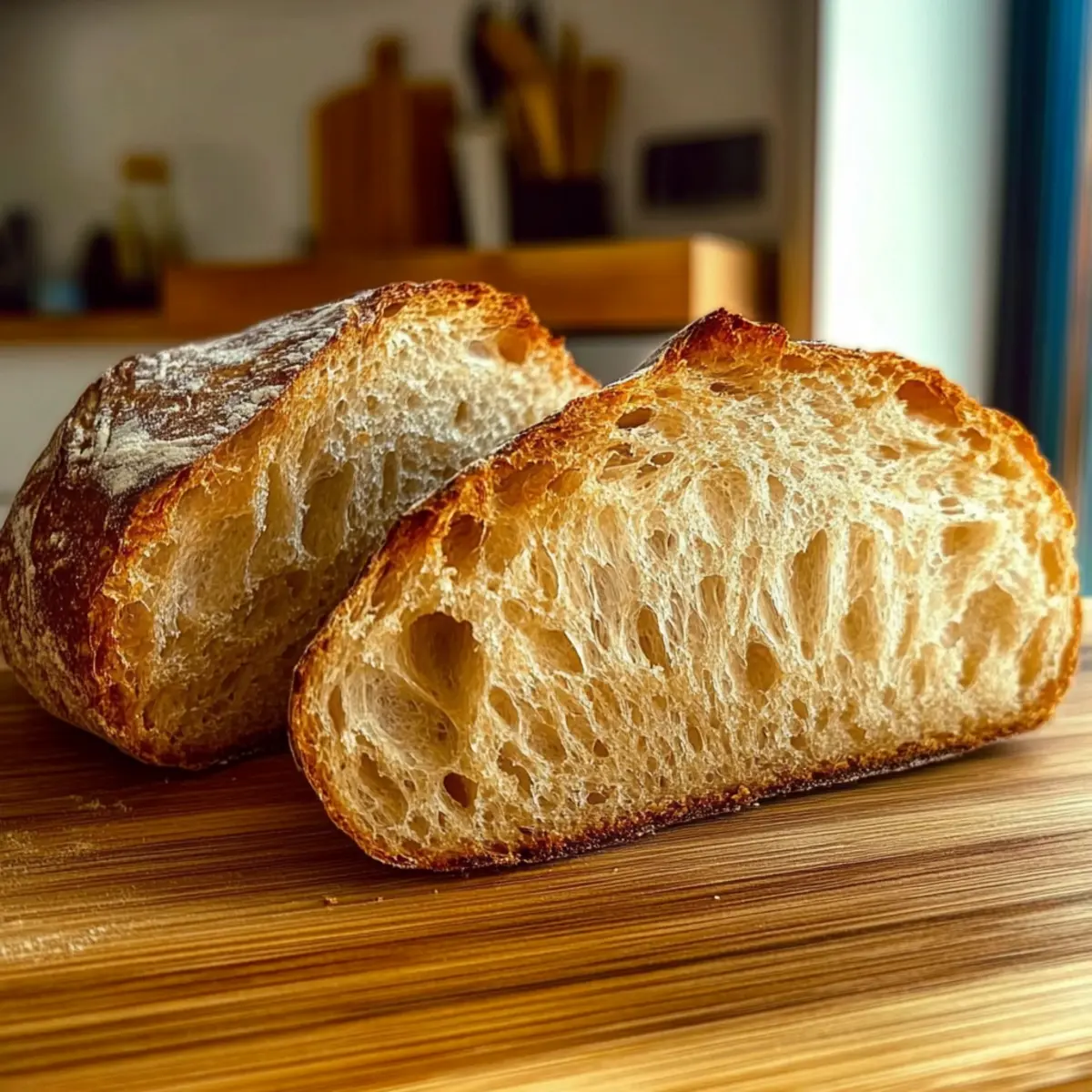
Artisanal Quality: There’s something magical about the texture of homemade sourdough— with a crispy crust and a chewy interior, it brings the bakery straight to your kitchen.
Simple Ingredients: Using just a few staple ingredients—flour, water, salt, and a sourdough starter—means no preservatives and full control over your bread’s flavor.
Versatility: Whether you enjoy it as toast, in sandwiches, or alongside your favorite soup, sourdough pairs beautifully with countless dishes.
Time-Honored Tradition: Keep the cultural legacy alive by mastering this age-old baking technique that connects you to generations of bakers before you.
Crowd-Pleaser: Freshly baked sourdough has the power to impress family and friends, turning any meal into a special occasion. Don’t forget to check out some other sourdough recipes for even more inspiration!
Sourdough Recipe Ingredients
For the Dough
- Flour – A key ingredient for structure; use all-purpose for a lighter loaf or whole wheat for added density.
- Water – Ensures proper hydration and gluten activation; using room temperature water yields the best results.
- Sourdough starter – This is crucial for fermentation; ensure it’s bubbly and active to achieve that perfect rise.
- Salt – Enhances the flavor of your sourdough; opt for kosher or sea salt for optimal taste.
Optional Enhancements
- Seeds – Adding seeds like sunflower or pumpkin can provide extra crunch and flavor.
- Herbs – Incorporate fresh herbs like rosemary or thyme for aromatic notes that elevate your sourdough experience.
Crafting your own sourdough recipes opens up new culinary avenues, celebrating the beauty of homemade goodness!
Step‑by‑Step Instructions for Artisan Sourdough Bread: Simple Steps for Homemade Perfection
Step 1: Dough Preparation
In a large mixing bowl, combine flour, water, and your active sourdough starter. Mix thoroughly until no dry flour remains, creating a shaggy dough. Cover the bowl with a damp cloth and let it rest for 30 minutes. This autolyse phase hydrates the flour and begins gluten development, prepping your dough for the next steps.
Step 2: Kneading
After the autolyse, sprinkle salt over the dough. Using your hands, gently knead the mixture until it becomes smooth and elastic, taking care not to overdo it—about 8-10 minutes should suffice. This encourages hydration without compromising texture. The dough should feel tacky but not sticky, setting the perfect foundation for your sourdough bread.
Step 3: First Rise
Transfer the kneaded dough to a lightly greased bowl, then cover it with a cloth. Place the bowl in a warm environment to rise for approximately 3 hours. Check periodically; you’re aiming for the dough to double in size. This period allows the wild yeast to work its magic, developing that characteristic tangy flavor.
Step 4: Shaping
Once your dough has risen beautifully, gently turn it out onto a lightly floured surface. Using your hands, fold the dough over itself a few times to shape it into a round loaf. Avoid pressing down too hard to retain the air bubbles formed during the rise. This shaping is crucial for achieving the artisan-style look of your sourdough.
Step 5: Second Rise
Next, place the shaped loaf into a proofing basket, seam side up. Cover it loosely with a cloth and let it rise for another 1-2 hours until it becomes puffy and slightly increased in size. This additional rise allows for further fermentation, enhancing the flavor of your artisan sourdough bread.
Step 6: Preheat Oven
About 30 minutes before you plan to bake, preheat your oven to 450°F (232°C) and place a Dutch oven inside to heat up as well. This method creates steam, which is essential for developing that crispy crust on your sourdough bread. Your kitchen will start to fill with lovely warmth as you prepare for baking.
Step 7: Baking
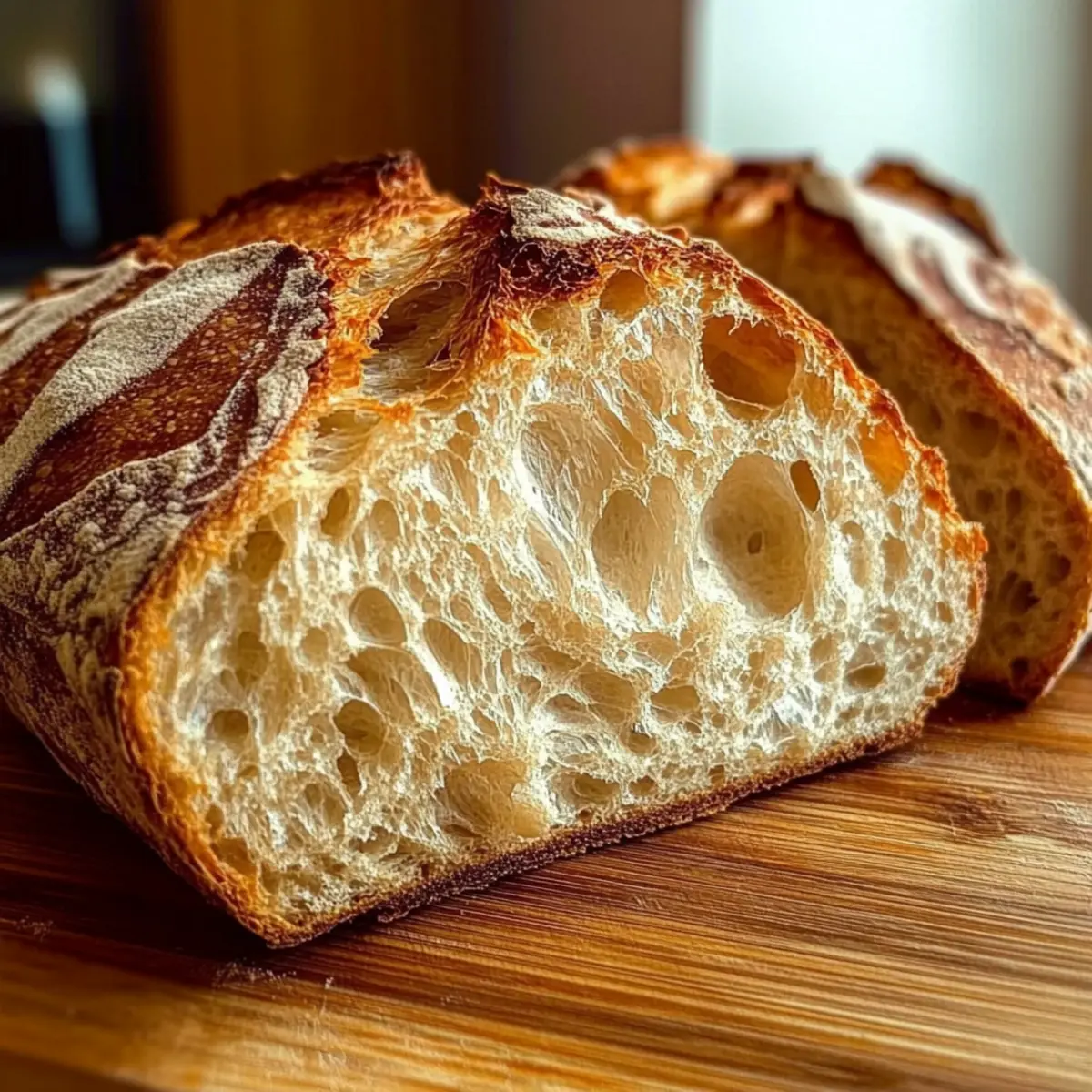
Carefully remove the hot Dutch oven from the oven. Gently flip the dough from the proofing basket into the Dutch oven, being cautious not to deflate it. Cover with the lid and bake for 30 minutes. Afterward, take off the lid and continue baking for another 15 minutes until the crust turns a deep golden brown.
Step 8: Cooling
Once baked, transfer the sourdough bread to a wire rack and allow it to cool completely, for at least 1 hour, before slicing. This cooling period allows the crumb to set and enhances the texture. Resist the urge to slice too soon; it’s worth the wait for that perfect artisan sourdough experience!
Expert Tips for Sourdough Bread
-
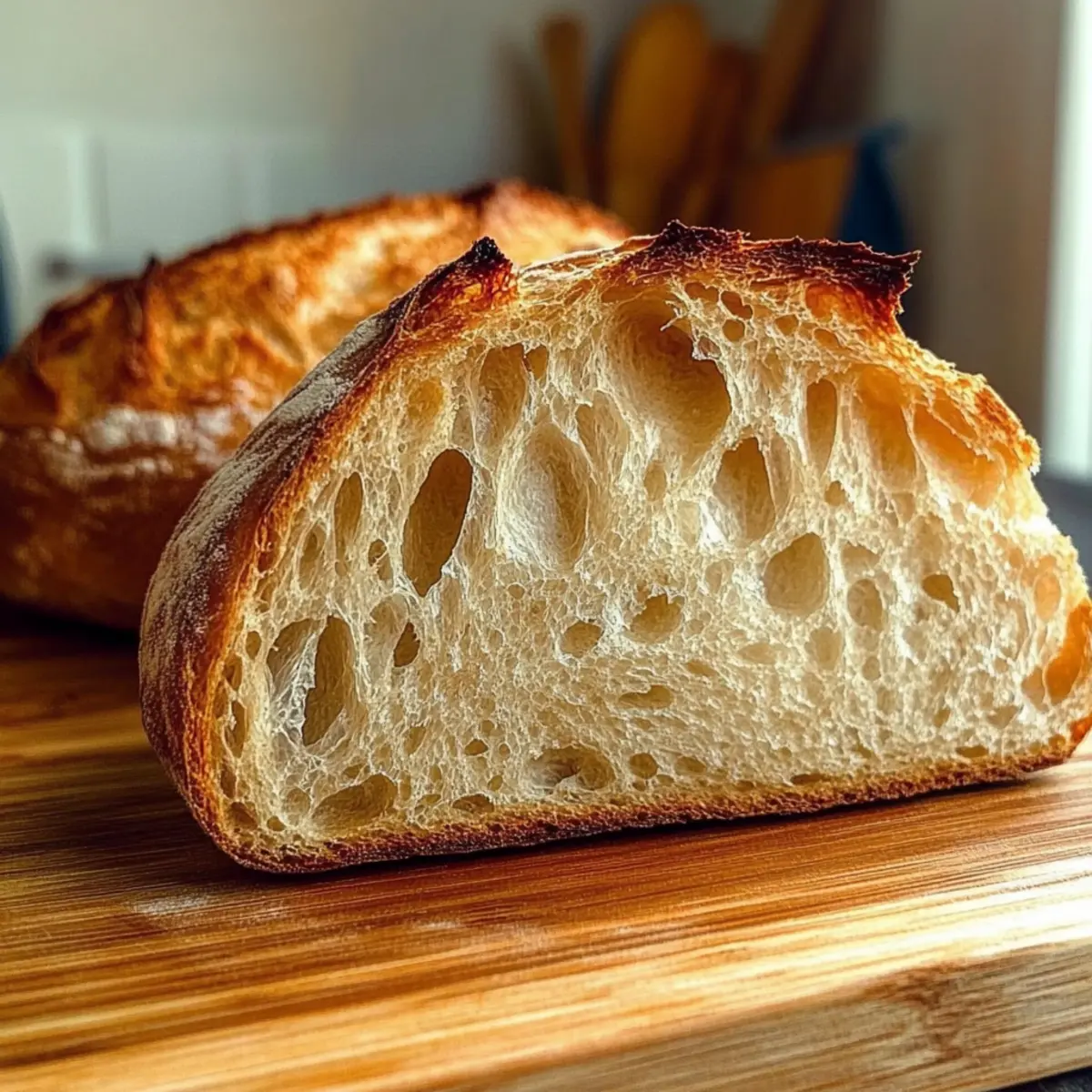
Starter Check: Ensure your sourdough starter is bubbly and active. An inactive starter can lead to a dense loaf, so always feed it before use.
-
Gentle Handling: Be gentle when kneading and shaping the dough. Overworking can affect texture, leading to a tough sourdough recipe instead of a tender, airy crumb.
-
Patience is Key: Allow sufficient time for both rises. Rushing this step may prevent the sourdough from developing flavor and structure.
-
Steam Magic: Bake your sourdough in a preheated Dutch oven. This helps create steam, essential for achieving that crispy crust everyone loves.
-
Cool Down: Let the bread cool fully on a wire rack for at least an hour before slicing. Cutting too soon compromises the texture and flavor.
Make Ahead Options
These sourdough recipes are a lifesaver for busy home cooks looking to sprinkle a little homemade magic into their week! You can prepare the dough up to 24 hours in advance by allowing it to go through the first rise before refrigerating it overnight. This way, the flavors develop even more robustly. Just make sure to let it come to room temperature for about 1-2 hours before shaping and continuing with the second rise. Additionally, if you want to bake multiple loaves, you can shape and freeze the dough after the second rise for up to 3 days; simply thaw it in the fridge overnight before baking. Trust me, you’ll enjoy the same delicious crust and airy crumb with minimal effort on baking day!
Storage Tips for Sourdough Bread
Room Temperature: Store your sourdough bread in a clean kitchen towel or paper bag to maintain its crustiness for up to 3 days. Avoid plastic to prevent a soggy crust.
Fridge: While refrigerating is not ideal, if you need to store your bread longer, a tightly wrapped loaf can last about a week. Just be aware that refrigeration can alter the texture.
Freezer: For longer storage, slice the sourdough and freeze it in an airtight container or freezer bag. It can last for up to 3 months. Toast the slices directly from the freezer for a delicious treat!
Reheating: To revive the crust, preheat your oven to 350°F (175°C) and warm the loaf for about 10-15 minutes. This will restore its delightful crunch; no one will believe it’s homemade sourdough!
Sourdough Recipes Variations & Substitutions
Feel free to explore your creativity and customize this sourdough masterpiece to suit your taste preferences!
-
Whole Wheat Flour: Substitute half of the all-purpose flour with whole wheat for a nuttier flavor and denser texture.
-
Herbal Infusion: Add chopped fresh herbs like rosemary or thyme for an aromatic twist that brightens the flavor profile of your bread.
-
Seed Power: Incorporate seeds such as sunflower or pumpkin into the dough for delicious crunch and added nutrients.
-
Spicy Kick: Mix in crushed red pepper flakes or diced jalapeños for a hint of heat that elevates your sourdough game.
-
Cheesy Delight: Fold in grated cheese like parmesan or cheddar for a rich, savory flavor that melts beautifully during baking.
-
Sweet Surprise: Add a tablespoon of honey or maple syrup to the dough for a subtle sweetness ideal for pairing with jams or breakfast spreads.
-
Garlic Boost: Incorporate roasted garlic cloves into the dough before the second rise for an aromatic and flavorful bread perfect for accompanying meals.
Don’t forget to check out some other sourdough recipes for even more inspiration to elevate your baking adventure!
What to Serve with Artisan Sourdough Bread
Enjoy the warm, inviting experience that comes from pairing your fresh loaf with delightful accompaniments.
- Creamy Tomato Soup: The rich, tangy flavors of tomato soup provide a comforting contrast to the crusty loaf, perfect for dipping.
- Herbed Butter: Spreadable and infused with garlic and herbs, this warm, aromatic butter enhances the subtle taste of the sourdough bread.
- Mixed Greens Salad: A fresh salad with a light vinaigrette balances the hearty texture of sourdough, adding crispness and vibrancy.
- Cheese Platter: Pair with a variety of cheeses—sharp cheddar, creamy brie, or tangy goat cheese—for an indulgent afternoon treat that complements each bite.
- Savory Egg Toasts: A poached or fried egg on toasted sourdough creates a satisfying breakfast that marries richness with the bread’s tangy notes.
- Grilled Vegetables: The charred flavor of grilled veggies adds depth to your meal, harmonizing beautifully with the artisanal bread’s rustic quality.
- Sparkling Wine: A light, bubbly drink elevates any meal while its acidity cuts through the richness of the sourdough, making each bite more delightful.
- Chocolate Dessert: After the main course, a dark chocolate tart or brownies add a sweet finish; their richness contrasts well with the bread’s tangy flavor.
- Fruit Chutney: A tangy, sweet chutney made from seasonal fruits adds an exciting twist and depth of flavor that elevates your sourdough experience.
Sourdough Bread Recipe FAQs
How do I choose the best flour for sourdough bread?
Absolutely! For a lighter loaf, I recommend using all-purpose flour, as it provides a delicate structure. If you’re looking for a denser texture with a nuttier flavor, whole wheat flour is a fantastic alternative. Mixing the two is also an excellent idea, allowing you to enjoy the benefits of both types!
How should I store my freshly baked sourdough bread?
For optimal freshness, allow your sourdough bread to cool completely, then wrap it in a clean kitchen towel or place it in a paper bag. This helps maintain the crustiness for about 3 days! Avoid plastic, as it traps moisture and can make the crust soggy.
Can I freeze sourdough bread?
Yes, the more the merrier! To freeze your sourdough, slice the loaf and place the slices in an airtight container or freezer bag. They can last up to 3 months in the freezer. When you’re ready to enjoy, simply toast the slices directly from the freezer for a quick and delicious treat.
What if my sourdough starter isn’t rising well?
If your starter isn’t bubbly or rising, it may need a refresh. Try feeding it with equal parts flour and water, letting it sit at room temperature for several hours until it becomes bubbly and active. Also, ensure you’re using warm water (around 80°F/27°C) and a warm environment for rising. This little boost can help your starter get back in action!
Is homemade sourdough bread safe for pets?
While sourdough bread is made from basic ingredients, it’s best to avoid feeding it to pets, especially with added ingredients like salt or herbs. Dogs may have difficulty digesting it, and certain herbs can be toxic to them. Always consult your vet if you’re unsure about your pet’s diet.
How long can I store homemade sourdough bread in the fridge?
While it’s not the ideal option, you can store your sourdough in the fridge for about a week. Make sure to wrap it tightly to prevent it from drying out. However, be aware that the fridge can change the texture—so I encourage you to enjoy it fresh or frozen whenever possible!
Delicious Sourdough Recipes for Your Homemade Baking Adventure
Ingredients
Equipment
Method
- In a large mixing bowl, combine flour, water, and your active sourdough starter. Mix thoroughly until no dry flour remains. Cover with a damp cloth and let it rest for 30 minutes.
- Sprinkle salt over the dough and gently knead until smooth and elastic, about 8-10 minutes.
- Transfer the kneaded dough to a lightly greased bowl, cover with a cloth and let it rise in a warm environment for approximately 3 hours.
- Turn the dough out onto a lightly floured surface and fold over itself to shape into a round loaf.
- Place the shaped loaf into a proofing basket, seam side up, and let it rise for another 1-2 hours.
- Preheat your oven to 450°F and place a Dutch oven inside to heat up.
- Carefully remove the hot Dutch oven, flip the dough into it, cover with the lid, and bake for 30 minutes. Remove the lid and bake for another 15 minutes.
- Transfer the bread to a wire rack and allow it to cool completely for at least 1 hour before slicing.