The Mimosa is a bright, effervescent beverage that combines chilled sparkling wine with fresh orange juice for a refreshing start to any brunch.
| Detail | Information |
|---|---|
| Prep Time | 5 minutes |
| Cook Time | 0 minutes |
| Total Time | 5 minutes |
| Servings | 4 |
| Difficulty | Easy |
| Cuisine | International |
| Category | Breakfast & Brunch |
| Method | No‑Cook |
Why This Recipe Works
This recipe works because the ratio of sparkling wine to orange juice delivers a balanced sweetness and acidity without overwhelming the palate.
I find that using a chilled bottle of Champagne or quality prosecco preserves the lively bubbles, while fresh orange juice adds natural brightness. The simplicity of the method means there is no cooking step that could dull the flavors.
The glassware matters; a slender flute keeps the carbonation locked in, allowing each sip to stay crisp. The ingredients are common, affordable, and the preparation time is virtually nonexistent, perfect for a busy morning.
Because the drink is served immediately, the fizz remains vibrant, creating a celebratory feel for any occasion.
Image ALT: Mimosa cocktail in a sleek flute glass highlighting sparkling bubbles and orange hue
Chef Tips for Perfect Results
Follow these expert tips to achieve a flawless Mimosa every time.
- Use chilled wine: Keep the Champagne, prosecco, or cava in the refrigerator for at least two hours before mixing to maintain a cold temperature.
- Freshly squeezed juice: Opt for freshly squeezed orange juice rather than concentrate to preserve natural flavor and acidity.
- Glass size matters: Fill each flute only halfway with wine so the orange juice can blend without spilling over.
- Gentle pour: Pour the sparkling wine first, then top with juice to avoid excessive foam.
- Serve immediately: Serve the drink right after assembling to keep the bubbles lively.
- Adjust sweetness: If the orange juice is very tart, add a splash of simple syrup to taste.
- Garnish subtly: A thin orange twist adds visual appeal without altering the flavor profile.
- Batch preparation: For larger groups, pre‑measure the wine and juice in a pitcher, then pour into glasses.
Image ALT: Close‑up of a hand pouring chilled sparkling wine into a flute
Common Mistakes to Avoid
These pitfalls can diminish the quality of your Mimosa.
| Mistake | Why It Happens | How to Fix It |
|---|---|---|
| Using warm wine | Wine loses carbonation and feels flat. | Chill the bottle for at least two hours before serving. |
| Over‑filling the glass | Spillage and loss of bubbles. | Fill only halfway with wine, then top with juice. |
| Using bottled orange juice with added sugar | Excess sweetness masks the wine’s crispness. | Choose 100 % pure juice or freshly squeezed. |
| Mixing too early | Bubbles dissipate, leaving a flat drink. | Assemble just before serving. |
| Choosing low‑quality sparkling wine | Thin, unrefined bubbles and muted flavor. | Invest in a reputable Champagne, prosecco, or cava. |
| Neglecting glass temperature | Warm glass warms the drink quickly. | Cool flutes in the fridge for 10 minutes. |
| Skipping garnish | Missed visual appeal that completes the look. | Add a thin orange peel or a raspberry for color. |
Image ALT: A spilled Mimosa glass illustrating over‑filling error
Variations and Substitutions
You can adapt the classic Mimosa with a few simple twists.
| Ingredient or Element | Substitution or Variation | Impact on Flavor or Texture |
|---|---|---|
| Champagne | Prosecco or Cava | Maintains sparkle; prosecco adds fruitier notes, cava adds a slightly drier finish. |
| Orange Juice | Blood orange or grapefruit juice | Blood orange deepens color and adds berry‑like sweetness; grapefruit adds a bittersweet edge. |
| Sweetener | Honey or agave syrup | Natural sweetness with a subtle floral character. |
| Fruit Puree | Peach or mango puree (½ cup) | Creates a tropical Mimosa with thicker mouthfeel. |
| Spice | Pinch of ginger or dash of Angostura bitters | Introduces warmth and complexity without overwhelming the base. |
| Alcohol‑Free Base | Sparkling water or non‑alcoholic sparkling wine | Keeps the fizz for a mocktail version while reducing alcohol. |
| Glass Type | Coupe or lowball glass | Alters visual presentation; coupe showcases bubbles, lowball feels more casual. |
Image ALT: A variety of Mimosa glasses showing orange, blood orange, and tropical versions
Serving Suggestions and Pairings
The Mimosa shines when paired with light, bright flavors.
- Fresh fruit salad topped with mint.
- Crumbly buttery croissants with almond jam.
- Soft scrambled eggs with chives and goat cheese.
- Smoked salmon on toasted bagels with dill cream cheese.
- Avocado toast sprinkled with chili flakes.
- Lightly glazed ham‑less breakfast casserole (use turkey sausage).
- Greek yogurt parfait layered with granola and berries.
- Sweet pastries such as lemon scones.
- Seasonal asparagus frittata with Parmesan.
- Soft cheese board featuring brie, honey, and figs.
For a complete brunch, serve the Mimosa alongside a platter of fresh berries, a warm spinach‑feta quiche, and toasted sourdough. The bright citrus notes cut through the richness of the quiche, while the sparkle refreshes the palate between bites.
Image ALT: Mimosa glasses arranged on a brunch table with assorted pastries and fruit
Make Ahead Options
You can streamline brunch prep by preparing components ahead of time.
Store freshly squeezed orange juice in an airtight container in the refrigerator for up to 24 hours. The juice will retain its bright flavor and can be poured directly when guests arrive. Keep the sparkling wine chilled overnight, preferably in an ice bucket, to ensure it stays perfectly cold.
When you are ready to serve, simply assemble the glasses: pour wine, top with juice, and garnish. If you need to reheating, a quick 30‑second stir in a warm water bath can revive any slightly cooled juice without cooking it.
Image ALT: Pre‑measured orange juice in a pitcher waiting to be added to flutes
Storage and Reheating
Proper storage preserves the Mimosa’s fizz and flavor.
| Method | Duration | Instructions |
|---|---|---|
| Room Temperature | Up to 1 hour | Keep flutes on a chilled tray; avoid direct sunlight. |
| Refrigerator | 24 hours | Store wine and juice separately in sealed containers; combine just before serving. |
| Freezer | Not recommended | Freezing can damage the carbonation and alter juice texture. |
| Reheating | None needed | If juice is cold, gently warm in a saucepan over low heat for 30 seconds, then chill before mixing. |
| Make Ahead | 24 hours | Prepare juice ahead, keep wine chilled; assemble at the last minute for optimal bubbles. |
Image ALT: A refrigerator shelf with sealed containers of juice and sparkling wine
Nutritional Information
Approximate values are based on one serving and may vary depending on exact ingredients and portion size.
| Nutrient | Amount per Serving |
|---|---|
| Calories | 120 |
| Protein | 1 g |
| Fat | 0 g |
| Saturated Fat | 0 g |
| Carbohydrates | 12 g |
| Fiber | 0 g |
| Sugar | 10 g |
| Sodium | 5 mg |
Image ALT: Nutritional label graphic for a single serving of Mimosa
Frequently Asked Questions
Can I replace orange juice with another citrus?
Yes, you can use grapefruit or blood orange juice for a slightly different taste profile. The balance of acidity and sweetness remains similar.
How do I know when the Mimosa is perfectly mixed?
The drink is ready when the wine and juice form a uniform orange‑gold hue and the bubbles are still lively. No separate stirring is required.
What should I do if the Mimosa tastes too bitter?
Add a small drizzle of honey or simple syrup to soften the bitterness. Stir gently to combine.
Can I make Mimosa ahead for a party?
Prepare the orange juice and keep it refrigerated; chill the sparkling wine separately. Mix the two just before guests arrive for maximum fizz.
What foods pair best with a Mimosa at brunch?
Light pastries, fresh fruit, smoked fish, and soft cheeses complement the citrus sparkle without competing flavors.
How should I store leftover Mimosa?
Separate any remaining wine and juice, store each in airtight containers, and keep them refrigerated. Re‑mix only when ready to serve.
Image ALT: FAQ section illustration with question marks
Conclusion
The Mimosa works because its simple ratio of chilled sparkling wine to fresh orange juice delivers bright flavor, lively bubbles, and effortless elegance. Follow the tips, avoid common mistakes, and experiment with variations to make it your go‑to brunch starter. Serve it with light dishes for a refreshing experience that leaves guests feeling delighted.
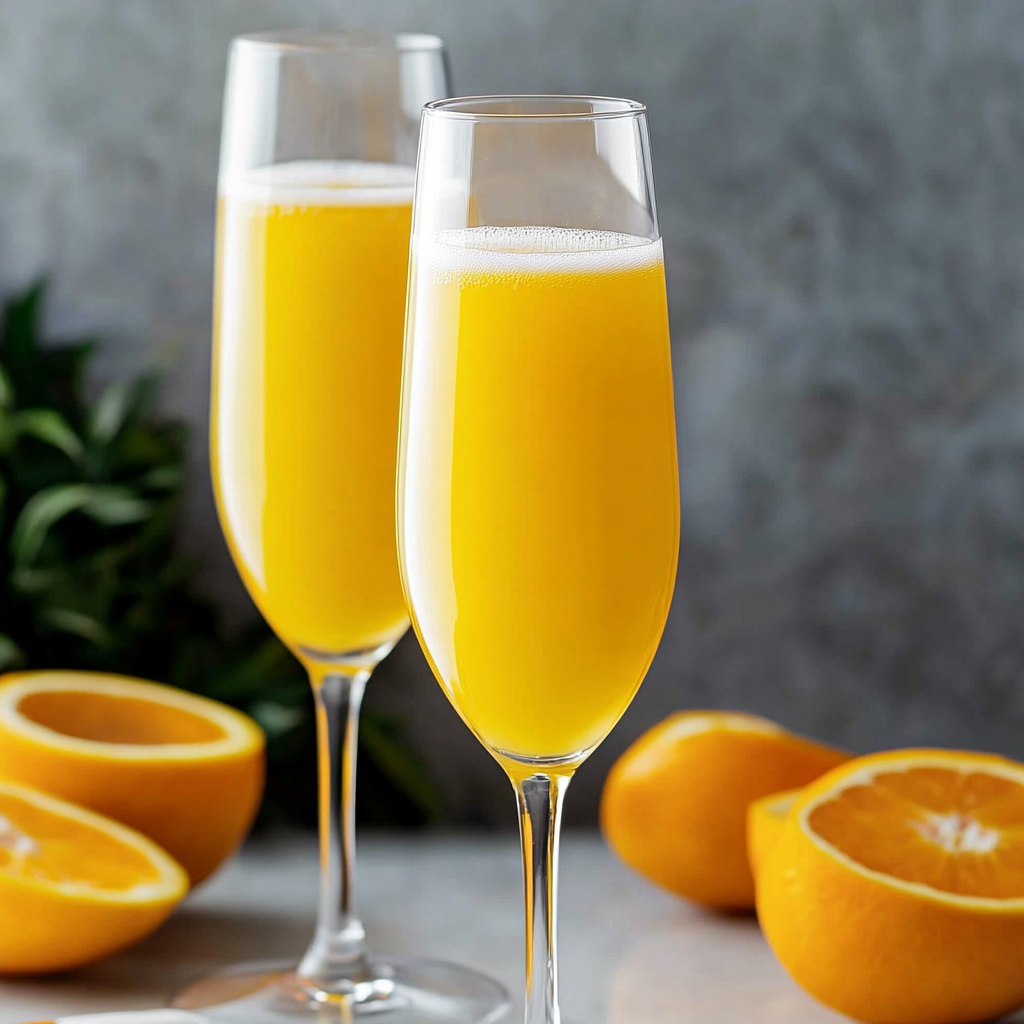
Mimosa Classic Sparkling Orange Breakfast Drink
Ingredients
Method
- Chill the sparkling wine in the refrigerator for at least 2 hours.
- Fill four flute glasses halfway with the chilled sparkling wine.
- Pour an equal amount of freshly squeezed orange juice into each glass.
- If using, add a splash of simple syrup to each glass depending on the tartness of the juice.
- Garnish with an orange twist and serve immediately.
Nutrition
Notes
Top up the glasses with more wine or juice if needed during the meal.
For a non-alcoholic version, replace the sparkling wine with carbonated water or sparkling non-alcoholic wine.
Serve in flutes to preserve the fizz and enhance the presentation.