Perfect Baby Back Ribs achieve a tender texture and rich flavor profile when prepared using a slow-cooking method finished with a sticky glaze. This dish is renowned for its balance of smoky heat and sweet tang, making it an ideal centerpiece for any weekend gathering or family dinner.
| Detail | Information |
|---|---|
| Prep Time | 15 minutes |
| Cook Time | 2 hours and 30 minutes |
| Total Time | 2 hours and 45 minutes |
| Servings | 4 people |
| Difficulty | Easy |
| Cuisine | American |
| Category | Main Dish |
| Method | Oven Baking |
Why This Recipe Works
This specific method guarantees tender meat that falls easily off the bone because the low and slow cooking process breaks down connective tissue effectively. We start at a low temperature to render the fat gently before finishing at a higher heat to set the sauce. This two-stage approach prevents the exterior from burning while ensuring the interior remains juicy.
The dry rub creates a delicious bark on the surface that adds a complex layer of flavor often missing in quick-cooked alternatives. Each spice in the blend is carefully measured to highlight the natural richness of the meat without overpowering it with too much heat.
Finally, the multiple glazing steps build up layers of sticky sweetness that caramelize properly in the final minutes of cooking. This technique mimics the results of a traditional smoker using only standard kitchen equipment.
Chef Tips for Perfect Results
To ensure the best outcome, follow these precision tips regarding heat management and sauce application.
- Preheat Thoroughly: Ensure the oven reaches the target temperature before placing the rack inside to guarantee even cooking from the start.
- Use Foil Wrapping: Sealing the ribs tightly in heavy-duty foil traps moisture which steams the meat to perfection before the glaze sets.
- Prick the Back: Pricking the bone side allows the rub to penetrate deeper into the meat for a more seasoned flavor profile overall.
- Discard Liquid: Pouring off the accumulated juices before adding sauce prevents the ribs from becoming soggy during the final baking phase.
- Brief Glazing: Apply sauce in four distinct 10-minute intervals to build up a thick sticky crust without burning the sugar content.
- Silicone Brush: Use a silicone brush for sauce application to avoid bristles getting stuck in the sticky glaze during the process.
- Draft Free Area: Minimize oven door openings during the low-temperature phase to prevent heat loss which can extend cook times significantly.
Common Mistakes to Avoid
Many home cooks struggle with texture issues that can be avoided by paying attention to these specific details during the preparation and cooking process.
| Mistake | Why It Happens | How to Fix It |
|---|---|---|
| Meat is tough | Cooked at too high a temperature initially | Start at a lower oven setting for the first phase to soften fibers. |
| Sauce is burnt | Left in oven too long after glazing | Keep glazing cycles short and monitor color closely. |
| Flavor is bland | Did not use a robust dry rub | Ensure generous coating of spices on the meat surface. |
| Ribs are dry | Uncovered during the tenderizing phase | Always seal the foil pocket tightly with crimped edges. |
| Cutting fails | Cut before resting period is complete | Wait at least 15 minutes before slicing to retain juices. |
Variations and Substitutions
This recipe is highly adaptable to different dietary needs and flavor preferences without compromising the structural integrity of the dish.
| Ingredient or Element | Substitution or Variation | Impact on Flavor or Texture |
|---|---|---|
| Ancho Chile Powder | Paprika mixed with chili powder | Reduces smokiness slightly but maintains color. |
| White Sugar | Coconut sugar | Adds a subtle caramel note to the rub profile. |
| Barbeque Sauce | Soy-based teriyaki glaze | Creates an Asian fusion flavor profile. |
| Fresh Black Pepper | Celery seed powder | Introduces an earthy undertone instead of sharp heat. |
| Chipotle Pepper | Smoked paprika | Reduces spice level while keeping the smoky depth. |
| Olive Oil (if added) | Melted butter | Increases richness and mouthfeel during basting. |
| Honey | Maple syrup | Provides woodsy sweetness instead of floral notes. |
| Mustard Powder | Turmeric powder | Adds heat and deep yellow coloring to the rub. |
| Salt | Soy Sauce (for rub) | Increases umami depth without excessive saltiness. |
Serving Suggestions and Pairings
Serve these ribs alongside classic sides to create a balanced and satisfying meal for your entire table.
- Grilled corn on the cob brushed with butter and lemon zest.
- Classic coleslaw with a creamy dressing to cut through the sweetness.
- Baked beans cooked with onion and brown sugar.
- White rice mixed with chives and garlic.
- Crisp green salad with vinaigrette dressing.
- Buttered dinner rolls or cornbread for dipping.
- Sliced pickled cucumbers to cleanse the palate.
- Roasted potato wedges seasoned with rosemary.
- Creamy macaroni and cheese for a comfort meal.
- Bibb lettuce wraps for a light alternative.
- Creamy coleslaw to balance the spice.
- Ice cold lemonade or iced tea as beverages.
For a complete meal experience, consider serving the ribs with a side of savory macaroni and cheese and a fresh green salad with a light vinaigrette to refresh the palate between bites.
Make Ahead Options
You can easily prepare this dish ahead of time to reduce stress on the day you plan to serve it. The ribs can be wrapped in foil and refrigerated for up to 24 hours before the low-temperature baking phase.
Ensure the meat is cooled completely before wrapping and refrigerating to maintain food safety and prevent bacterial growth in the protein. When ready to cook, let the tray come to room temperature for 30 minutes to ensure even heating in the oven.
This approach allows the spices to penetrate the meat further, often resulting in a more flavorful bite due to the resting period between cooking.
Storage and Reheating
Proper storage is essential to maintain the texture and safety of the cooked ribs after the initial meal preparation.
| Method | Duration | Instructions |
|---|---|---|
| Room Temperature | 2 hours | Keep out of direct sun and cover tightly with foil. |
| Refrigerator | 4 days | Store in airtight containers to prevent drying out. |
| Freezer | 3 months | Wrap tightly in foil and plastic before placing in bags. |
| Reheating | 12 mins at 350F | Cover with foil to prevent drying during warming. |
| Make Ahead | 24 hours | Chill raw or cooked meat before baking. |
Nutritional Information
Approximate values are based on one serving and may vary depending on exact ingredients and portion size.
| Nutrient | Amount per Serving |
|---|---|
| Calories | 450 |
| Protein | 35g |
| Fat | 28g |
| Saturated Fat | 10g |
| Carbohydrates | 15g |
| Fiber | 1g |
| Sugar | 12g |
| Sodium | 1200mg |
Frequently Asked Questions
Can I substitute the spice mix?
Yes, you can substitute the spice mix using standard pantry items like paprika and garlic powder. This will alter the flavor profile slightly but maintain the intended texture and tenderness. Ensure you do not skip the salt entirely as it is crucial for moisture retention during cooking.
How do you know when the ribs are done?
The meat is done when it begins to pull back from the bones and yields easily to fork pressure. You should see the internal texture look tender rather than tough or resistant. A meat thermometer is also a reliable tool to confirm the internal temperature has reached the safe limit.
What if the sauce is too runny?
Thicken the sauce by simmering it on the stove for a few minutes before brushing it onto the rack. Alternatively, apply a thinner layer to prevent dripping excessively during the glazing phase. Reducing the sauce beforehand ensures a better coating consistency.
Is it better to bake or grill Baby Back Ribs?
Baking offers more consistent heat distribution and easier temperature control for most home cooks. Grilling adds a distinct smoky flavor but requires more active attention to prevent charring the sugars in the sauce. Baking is often preferred for large batches.
Can I prepare baby back ribs a day in advance?
Yes, you can cook and refrigerate the ribs a full day prior to serving them. Reheat gently to ensure the sauce stays sticky and the meat does not dry out. Covering them during reheating helps preserve the moisture content.
How should I store leftover ribs safely?
Store cooked ribs in the refrigerator immediately after they have cooled to safe handling temperatures. Use airtight containers to prevent exposure to air which accelerates spoilage and moisture loss. Always discard any leftovers older than four days to ensure food safety.
Conclusion
This oven-baked recipe delivers incredibly tender meat and a rich spicy coating that satisfies the whole family. The method is simple enough for beginners yet sophisticated enough to impress guests at a dinner party. Follow the steps carefully to achieve the perfect Baby Back Ribs every single time.
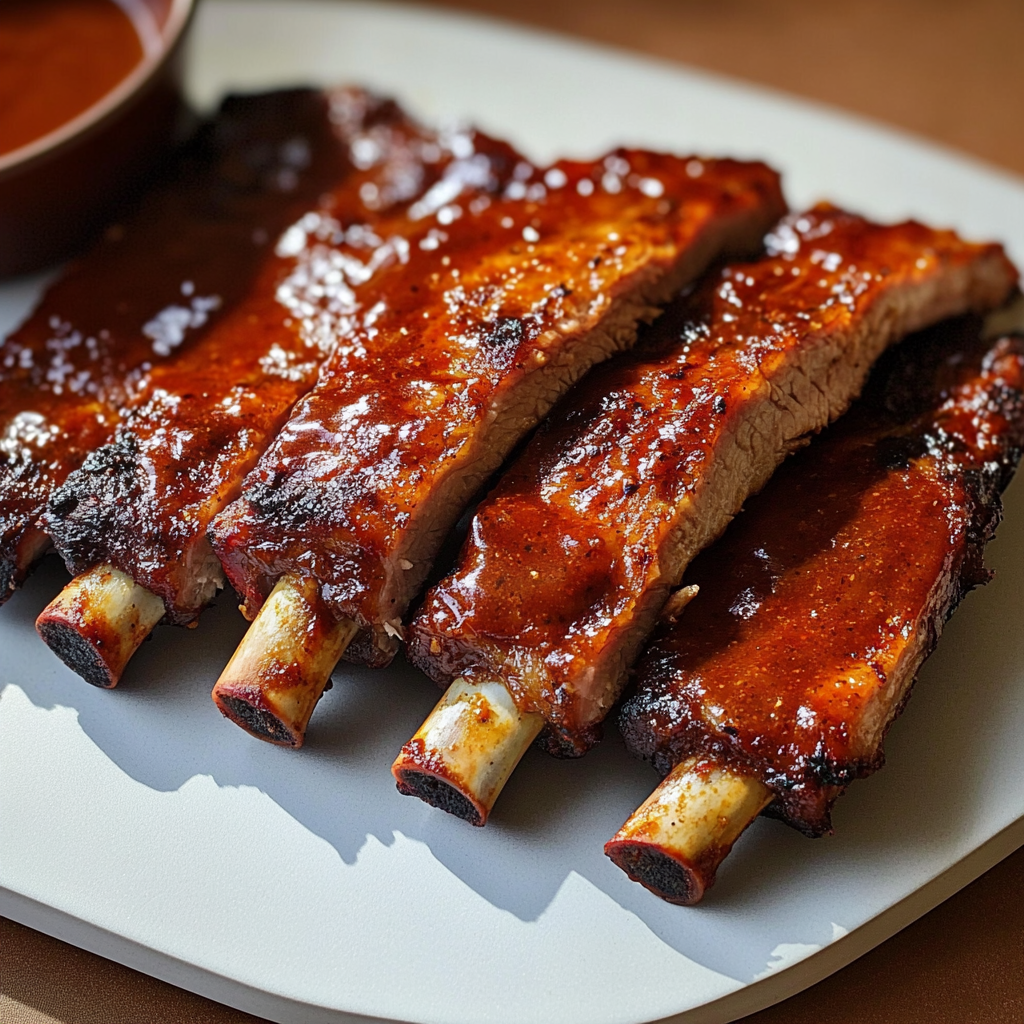
Fall-Off-The-Bone Baby Back Ribs
Ingredients
Method
- Preheat oven to 275°F (135°C). Line a baking sheet with parchment paper.
- Sprinkle both sides of ribs with garlic powder, paprika, brown sugar, cayenne, salt, and pepper.
- Prick the bone side with a fork to allow rub to penetrate.
- Bake uncovered for 1 hour, then wrap tightly in heavy-duty foil and bake for 1 hour 15 minutes.
- Remove foil, discard juices, and brush ribs with glaze (honey, vinegar, mustard, tamari, maple syrup).
- Return to oven, bake uncovered for 15 minutes, then glaze again and bake 15 more minutes until sticky and caramelized.
Nutrition
Notes
Use silicone brushes for even glaze application.
Rest ribs 5-10 minutes before slicing for juicier results.