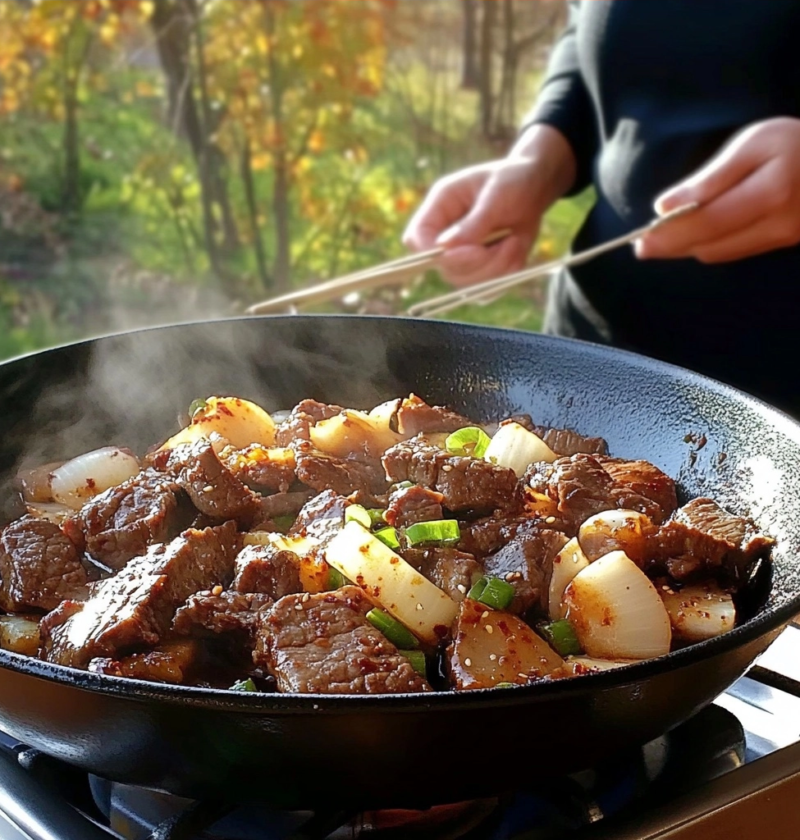
Korean BBQ refers to a style of cooking grilled meat that is widely beloved for its savory and sweet flavor profiles. This homemade Korean BBQ beef dish offers tender, juicy slices that can be enjoyed at home with minimal effort. It brings an exciting meal option to your table that feels both restaurant-quality and comforting for the whole family. The marinade uses natural ingredients like pear and soy sauce to create a depth of flavor that is instantly recognizable as the real deal.
| Detail | Information |
|---|---|
| Prep Time | 15 minutes |
| Cook Time | 10 minutes |
| Total Time | 25 minutes plus marinating time |
| Servings | 4 people |
| Difficulty | Easy |
| Cuisine | Korean |
| Category | Main Course |
| Method | Grilling or Skillet Cooking |
Why This Recipe Works
This Korean BBQ beef recipe works exceptionally well because it balances the sweetness of the pear with the saltiness of the soy sauce effectively. The natural enzymes in the Asian pear break down the beef fibers, ensuring the meat remains tender even after high-heat cooking. I have found that letting the beef marinate for at least thirty minutes yields significantly better results compared to skipping this step entirely. The combination of ginger and garlic provides a fresh aroma that fills the kitchen and makes everyone hungry.
Another reason this recipe is reliable is the simplicity of the ingredients list, which avoids any obscure or hard-to-find items. You can easily locate fresh beef tenderloin and standard seasonings at any local grocery store without searching for specialty import shops. The cooking process is forgiving, meaning a beginner cook can achieve great results even with a basic grill pan or skillet at home. It creates a perfect balance of savory umami flavors and subtle sweetness that appeals to everyone at the table.
The versatility of the base beef allows you to use this marinade for other ingredients if you need to accommodate dietary restrictions. While this recipe focuses on tenderloin, the flavors translate beautifully to pork or chicken when preparing different protein options. It is a robust dish that stands up well to reheating and makes excellent leftovers for lunch the next day. This adaptability is why Korean BBQ remains a staple in my weekly meal rotation for busy weeknights.
Chef Tips for Perfect Results
To achieve the best outcome, ensure your beef slices are uniform in thickness for even cooking.
- Slice against the grain: Cutting the beef across the muscle fibers makes each piece easier to chew and significantly tenderizes the meat.
- Crush the pear thoroughly: Using crushed Korean pear releases more juice and enzymes into the marinade for faster tenderization.
- Control your heat: Use medium-high heat on your skillet to ensure a good sear without burning the sugar in the marinade.
- Do not overcrowd the pan: Cook in batches to maintain high heat and prevent the beef from steaming instead of browning.
- Clean the pan: Wipe out the pan between batches to remove carbonized sugar that could cause unpleasant bitter flavors.
- Pat the beef dry: Remove excess liquid from the meat before cooking to ensure a proper sear on the surface.
- Serve immediately: Korean BBQ is best enjoyed hot while the meat retains its juices and warmth.
- Prepare your sides: Have your rice, lettuce leaves, and sauces ready before the beef finishes cooking to maintain the dining flow.
Common Mistakes to Avoid
Many home cooks make errors that can significantly alter the texture and flavor of this dish if not corrected.
| Mistake | Why It Happens | How to Fix It |
|---|---|---|
| Overcooking the beef | Leaving the meat on the heat too long dries it out quickly. | Cook for just 2 to 3 minutes per side until browned and remove from heat. |
| Crowding the pan | Loading too much beef prevents moisture from escaping and steams the meat. | Cook in small batches to allow proper evaporation and browning. |
| Using low heat | Low heat causes the beef to release moisture slowly rather than searing. | Prioritize high heat for a quick sear before finishing the cook. |
| Skipping the marination | Fresh meat lacks the necessary flavor depth without the infused marinade. | Always marinate for at least thirty minutes to absorb the flavors. |
| Ignoring the pear | Omitting the pear results in tougher meat without the tenderizing enzymes. | Ensure you use a fresh Asian pear or substitute with a similar fruit. |
| Too much sugar | Excessive brown sugar can cause the sauce to burn before the meat cooks. | Keep the sugar measurement precise and balance it with soy sauce. |
Variations and Substitutions
You can easily modify this recipe to suit different tastes or dietary needs without losing the core Korean flavor.
| Ingredient or Element | Substitution or Variation | Impact on Flavor or Texture |
|---|---|---|
| Beef Tenderloin | Swap for Beef Sirloin steak | More chewier texture but still delicious and marinated well. |
| Korean Pear | Use Bosc Pear or Apple | Similar sweetness but slightly less tenderizing effect on meat. |
| Soy Sauce | Use low-sodium soy sauce | Reduces salt content while maintaining the salty umami flavor profile. |
| Brown Sugar | Use Coconut Flour or Honey | Adds distinct flavor notes but keeps the necessary sweetness level. |
| Sesame Oil | Use Avocado Oil or Olive Oil | Loses some nutty aromatic quality but suitable for higher smoke point cooking. |
| Carrots (Optional) | Use Cilantro or Mint | Changes the garnish to a brighter herb flavor that complements the beef. |
| Beef | Use Chicken Thighs | Requires shorter cooking time and remains juicy with the marinade. |
| Green Onions | Use Scallion Tops or Chives | Maintains the onion texture but offers a slightly milder allium taste. |
| Garlic | Use Garlic Powder | More consistent seasoning but lacks the fresh pungent kick of minced garlic. |
Serving Suggestions and Pairings
Pairing your Korean BBQ with complementary sides enhances the overall dining experience significantly.
- Steamed White Rice: A large bowl of fluffy jasmine or short-grain rice is essential to soak up the savory juices.
- Lettuce Leaves: Romaine or Bibb lettuce provides a fresh crunch for ssam wraps.
- Ssamjang: A thick, spicy bean paste sauce that adds depth to each lettuce wrap.
- Kimchi: Fermented cabbage adds a tangy, spicy kick that cuts through the fat of the beef.
- Pickled Radish: Thin slices of mu provide a sweet and sour contrast to the salty meat.
- Minced Garlic: Adding a clove of raw garlic on top of every bite intensifies the flavor profile.
- Sliced Green Onion: Fresh onions provide a sharp, bright note to balance the cooked flavors.
- Spicy Mayo: A drizzle of creamy sauce adds richness for those who prefer milder heat.
- Cucumber Salad: A cold, crisp salad cleanses the palate between savory bites of beef.
- Seaweed Salads: Wakame salad adds a mineral ocean flavor that complements the beef well.
- Hot Beverages: Green tea or barley tea washes away the richness and refreshes the mouth.
- Ice Water: A simple glass of cold water serves as a refreshing contrast to the savory meal.
A complete meal should include a mix of hot savory beef, cold fresh vegetables, and warm rice placed side by side. Set up a small grill or hot plate at the center of the table so guests can cook their own pieces. This interactive element turns dinner into a fun group activity that everyone enjoys.
Make Ahead Options
Yes, you can prepare the marinade and the beef up to one day in advance. It is best to mix the marinade ingredients and pour over the beef in a sealed container a few hours before cooking. Refrigerate the mixture immediately to ensure the beef stays fresh and safe to eat. The flavors penetrate deeper as the beef sits overnight, which actually improves the tenderness and taste.
When preparing ahead, do not cook the beef until you are ready to serve the final dish. Keeping the raw beef chilled maintains the texture and prevents spoilage during the storage period. This allows you to spend more time relaxing with your guests rather than standing over a hot stove on a busy night.
Storage and Reheating
Storeing cooked Korean BBQ beef properly ensures it stays tasty and safe for consumption over several days.
| Method | Duration | Instructions |
|---|---|---|
| Refrigerator | Up to 4 days | Place cooked beef in an airtight container and refrigerate immediately after cooling. |
| Freezer | Up to 3 months | Store cooled beef in freezer-safe bags removing all air to prevent freezer burn. |
| Reheating | 2 minutes | Reheat in a skillet over medium heat to restore crisp edges and warmth. |
| Storage | Airtight | Always keep beef in sealed plastic or glass containers to avoid moisture loss. |
| Make Ahead | Overnight | Marinate beef in the fridge overnight for best flavor absorption before cooking. |
Nutritional Information
Approximate values are based on one serving and may vary depending on exact ingredients and portion size.
| Nutrient | Amount per Serving |
|---|---|
| Calories | 320 kcal |
| Protein | 35 g |
| Fat | 18 g |
| Saturated Fat | 6 g |
| Carbohydrates | 12 g |
| Fiber | 1 g |
| Sugar | 10 g |
| Sodium | 950 mg |
Frequently Asked Questions
Can I use a substitute for Korean pear?
If you are unable to find a Korean pear, you can use a regular Asian pear or a firm Bosc pear for the best results. These fruits provide similar levels of natural sugars and enzymes that tenderize the beef effectively. Avoid using soft varieties like red delicious apples as they do not break down the meat fibers as efficiently.
How do I know the beef is fully cooked?
The beef is cooked through when the internal temperature reaches 145 degrees Fahrenheit for medium-rare safety standards. You can also check by pressing the meat to see if it resists slightly but still feels tender to the touch. Since the beef is sliced thin, it cooks very quickly and often requires only 2 to 3 minutes of total time.
What should I do if the beef sticks to the grill?
Beef will stick to the grill initially if the skillet is not hot enough before placing the meat down. Allow the skillet to fully preheat and lightly grease the surface with sesame oil before adding the beef slices. Wait for the edges to brown and release naturally before attempting to flip the meat to the other side.
Can I make this recipe ahead of time?
Yes, you can marinate the beef for up to 24 hours in the refrigerator before cooking. Marinating for longer than 48 hours may make the texture too soft due to the pear enzymes acting on the meat too long. Prepare the marinade the night before and cook the beef fresh in the morning for the best texture.
Is this recipe considered spicy?
The base recipe is mild but savory with a hint of sweetness from the brown sugar and pear. You can add red pepper flakes or Sriracha sauce if you desire more heat for your Korean BBQ beef. Adjusting the spice level is easy and allows you to customize the dish for everyone in the family.
How should I store leftovers properly?
Store any leftover cooked beef in the refrigerator in an airtight container within two hours of cooking. Reheat gently in a skillet or microwave to ensure the meat does not become dry and tough. Do not leave the beef out at room temperature for an extended period to avoid bacterial growth risks.
Conclusion
This Korean BBQ recipe delivers a delightful combination of savory, sweet, and savory flavors that are sure to be a hit. The tender beef marinated for a short time creates a juicy and satisfying meal that is easy to prepare at home. I hope you enjoy making this dish for your family and sharing the warm, comforting goodness of homemade Korean BBQ together.
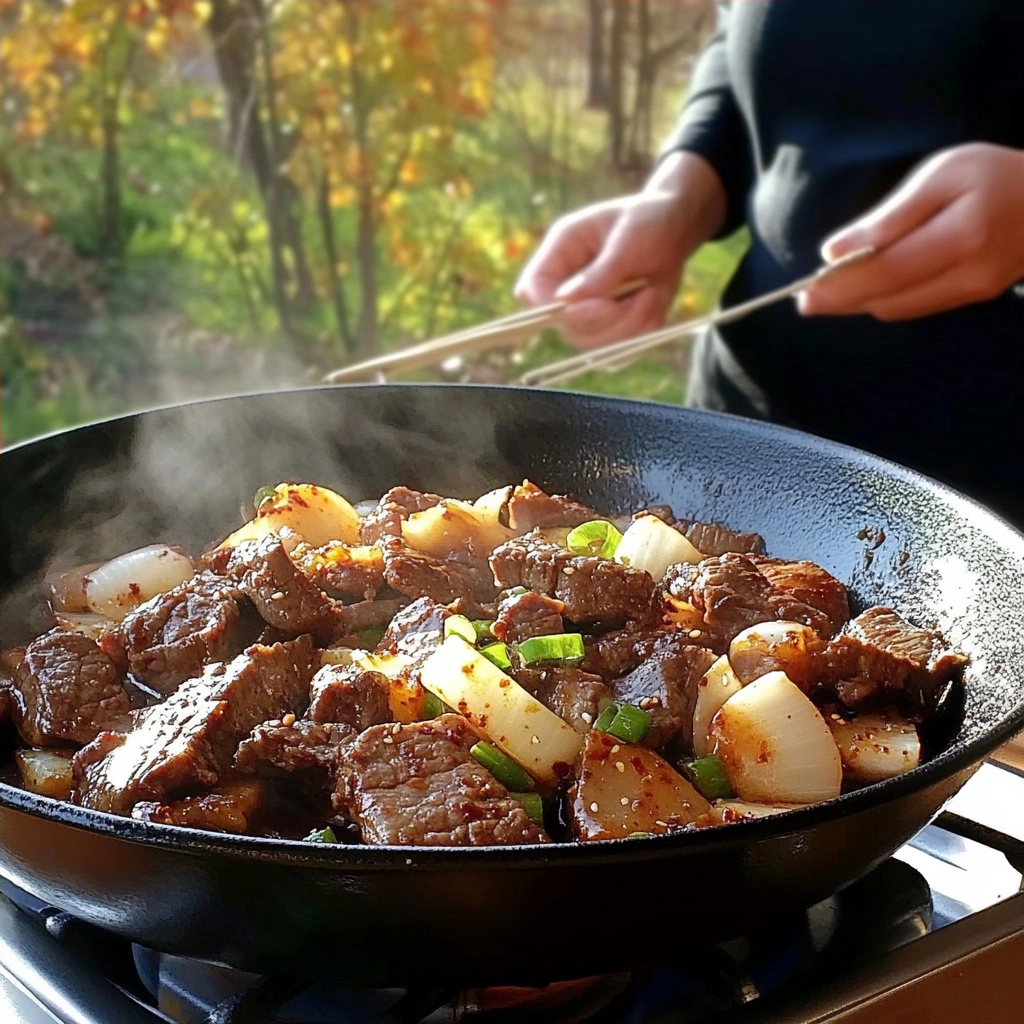
Korean BBQ Beef Recipe for Quick Family Dinners
Ingredients
Method
- Combine pear, soy sauce, garlic, ginger, and honey in a bowl to make marinade.
- Cut beef tenderloin into 1-inch cubes.
- Pour marinade over beef, seal in a zip-top bag, and refrigerate for at least 30 minutes.
- Heat 1 tablespoon of sesame oil in a skillet over medium-high heat or preheat grill to 450°F.
- Cook beef in batches for 5 minutes per side, until browned but juicy.
- Slice thinly against the grain and serve immediately.
Nutrition
Notes
Marinade works equally well with halal chicken if beef is unavailable.
Leftovers reheated in the oven retain flavor and texture beautifully. Store refrigerated for up to 3 days.
Serve with steamed rice, kimchi, or stir-fried bok choy for a complete meal.