
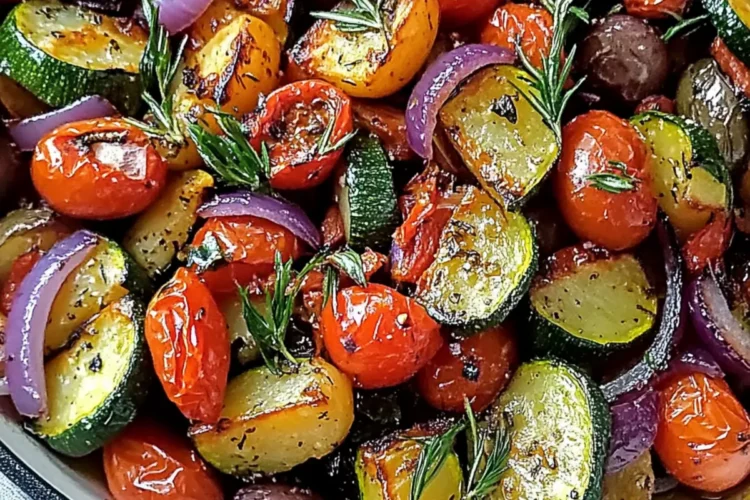
As I sift through my garden’s treasures, nothing excites me quite like the vibrant array of seasonal vegetables waiting to be transformed into something special. Enter the Traditional Greek Roasted Vegetables, or Briam, a dish that perfectly encapsulates the essence of Mediterranean cooking. This recipe not only requires minimal prep, making it an ideal choice for busy weeknights, but it also gives you the chance to impress guests with its stunning presentation. Each bite is a delectable journey through sun-soaked fields, invigorated by the rich flavors of garlic and fresh herbs. Ready to bring the taste of Greece to your table?
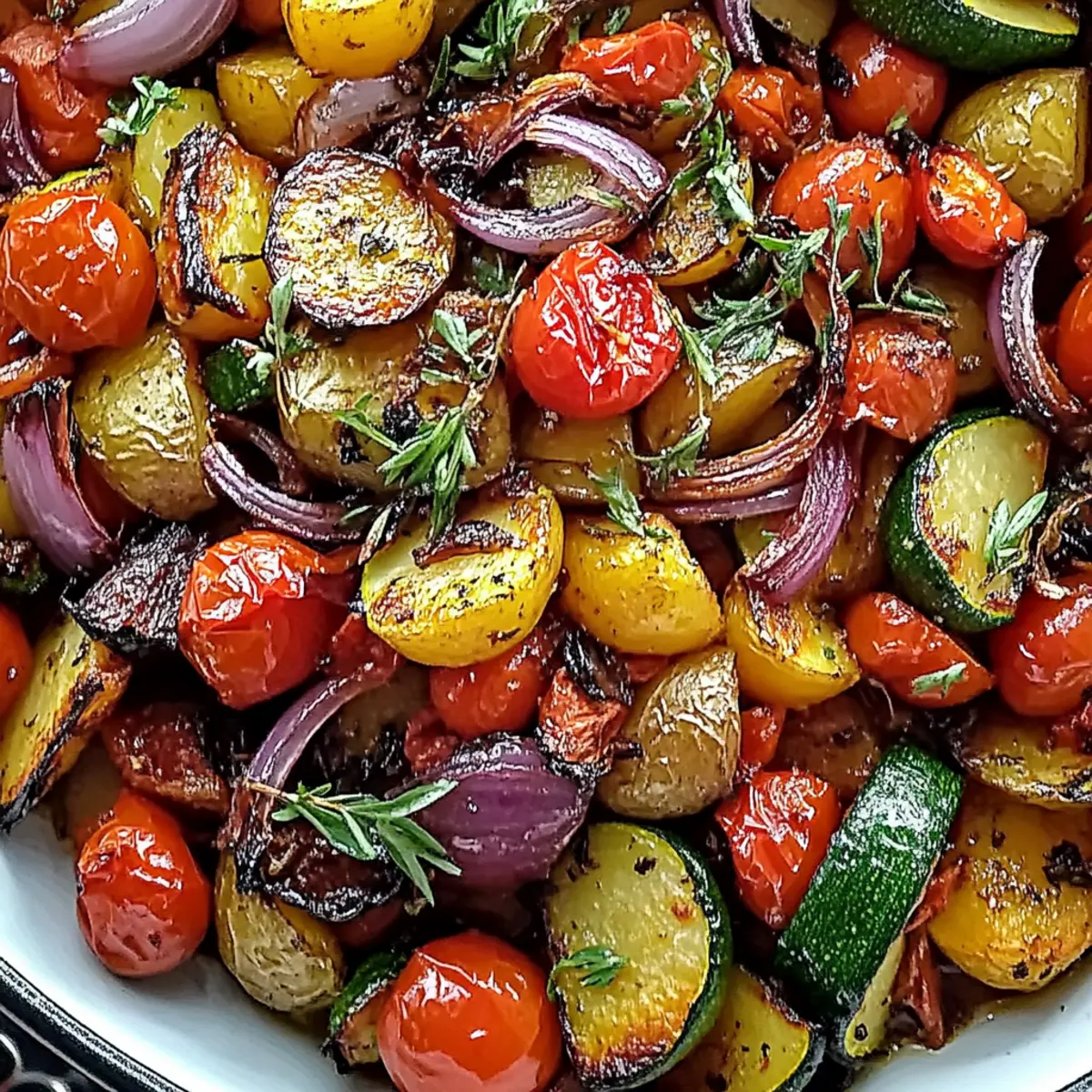
Why are Greek Roasted Vegetables a Must-Try?
Flavor Explosion: Each bite of this Traditional Greek Roasted Vegetables dish is enriched with the earthy flavors of garlic, herbs, and the natural sweetness of seasonal veggies.
Easy Preparation: With minimal chopping and fuss, you’ll have this wholesome meal ready in no time, making it perfect for busy weeknights.
Versatile Dish: This recipe is adaptable—swap in your favorite veggies or include ingredients like quinoa for heartiness, or serve on its own as a satisfying vegetarian main course.
Impressive Presentation: The colorful layers of roasted vegetables create a beautiful tapestry that’s perfect for impressing guests at dinner parties.
Discover even more delicious ways to enjoy vegetables with our Mixed Vegetables Stir Fry or consider adding a spicy twist like in our famed roasted chili recipes!
Traditional Greek Roasted Vegetables Ingredients
• Perfect for Mediterranean-inspired meals.
For the Roasted Vegetables
- Gold Potatoes – Adds creamy texture; sweet potatoes can be a delightful swap for a sweeter taste.
- Zucchini – Contributes a sweet, tender bite; bell peppers can offer crunch and vibrant color.
- Salt – Essential for flavor enhancement; adjust according to your personal preference.
- Pepper – Brings a touch of heat; freshly ground pepper intensifies the flavors.
- Dried Oregano – A staple in Greek cuisine that infuses the dish with earthy notes; use fresh oregano for an even fresher flavor profile.
- Dried Rosemary – Introduces depth and an aromatic bite; thyme works beautifully as an alternative.
- Fresh Parsley – Adds a pop of color and freshness; basil could be an interesting variation.
- Garlic – Minced for an aromatic kick; roasted garlic will yield a sweeter, mellower taste.
- Extra Virgin Olive Oil – The heart of Mediterranean cuisine; high-quality oil enhances all flavors beautifully.
- Canned Diced Tomatoes – Provides moisture and acidity; opt for organic, no-salt-added options for the best taste.
- Red Onion – Brings complexity and sweetness when roasted; yellow onion can be a flavorful substitute.
Embrace the incredible rhythm of Mediterranean cooking with these Traditional Greek Roasted Vegetables, sure to elevate your dining experience!
Step‑by‑Step Instructions for Traditional Greek Roasted Vegetables
Step 1: Preheat the Oven
Begin by preheating your oven to 400°F (205°C). This ensures that your Traditional Greek Roasted Vegetables start cooking evenly right from the beginning. While the oven warms up, gather all your ingredients and equipment, including a large mixing bowl and an oven-safe skillet or large round pan to streamline the process.
Step 2: Prepare the Vegetables
In a large mixing bowl, combine your sliced gold potatoes and zucchini. Generously season with salt, freshly ground pepper, dried oregano, dried rosemary, and minced garlic, then drizzle in the extra virgin olive oil. Toss well until the vegetables are evenly coated and vibrant, ensuring each slice is wrapped in that delicious, aromatic mixture.
Step 3: Layer the Tomatoes
Next, take your oven-safe skillet or large round pan and layer half of the canned diced tomatoes on the bottom. This base layer provides moisture and flavor as the vegetables roast, preventing them from drying out. Spread the tomatoes evenly; this will be the foundation for the beautiful medley of vegetables.
Step 4: Arrange the Vegetables
Now it’s time to artfully arrange the seasoned vegetables and sliced red onion in elegant rows atop the tomato layer. This presentation not only looks stunning but also helps with even cooking, allowing each vegetable to caramelize beautifully. Ensure the vegetables are organized but packed snugly to maximize flavor infusion.
Step 5: Drizzle and Add Remaining Tomatoes
Drizzle the remaining olive oil mixture over the top of your arranged vegetables. Next, scatter the leftover diced tomatoes on top to create a burst of juicy flavors as they cook. This step enhances the Mediterranean flavors, giving your Traditional Greek Roasted Vegetables extra moisture and depth.
Step 6: Cover and Bake
Cover your skillet or pan tightly with aluminum foil, and place it in the preheated oven. Bake for 45 minutes, allowing the vegetables to steam and soften beautifully. This initial baking step is crucial for developing that tender texture, ensuring all the flavors meld together as they cook.
Step 7: Roasting Uncovered
After 45 minutes, carefully remove the foil and let the vegetables roast uncovered for an additional 30 to 40 minutes. This will allow the vegetables to caramelize and develop a lovely, charred exterior. Keep an eye out for a golden-brown finish and ensure the vegetables are tender and soft to the fork.
Step 8: Serve and Enjoy
Once perfectly roasted, remove the pan from the oven and let it cool slightly before serving. This dish is delightful warm or at room temperature, and you can drizzle a bit more olive oil over your Traditional Greek Roasted Vegetables before serving, adding a touch of richness that will have everyone coming back for more.
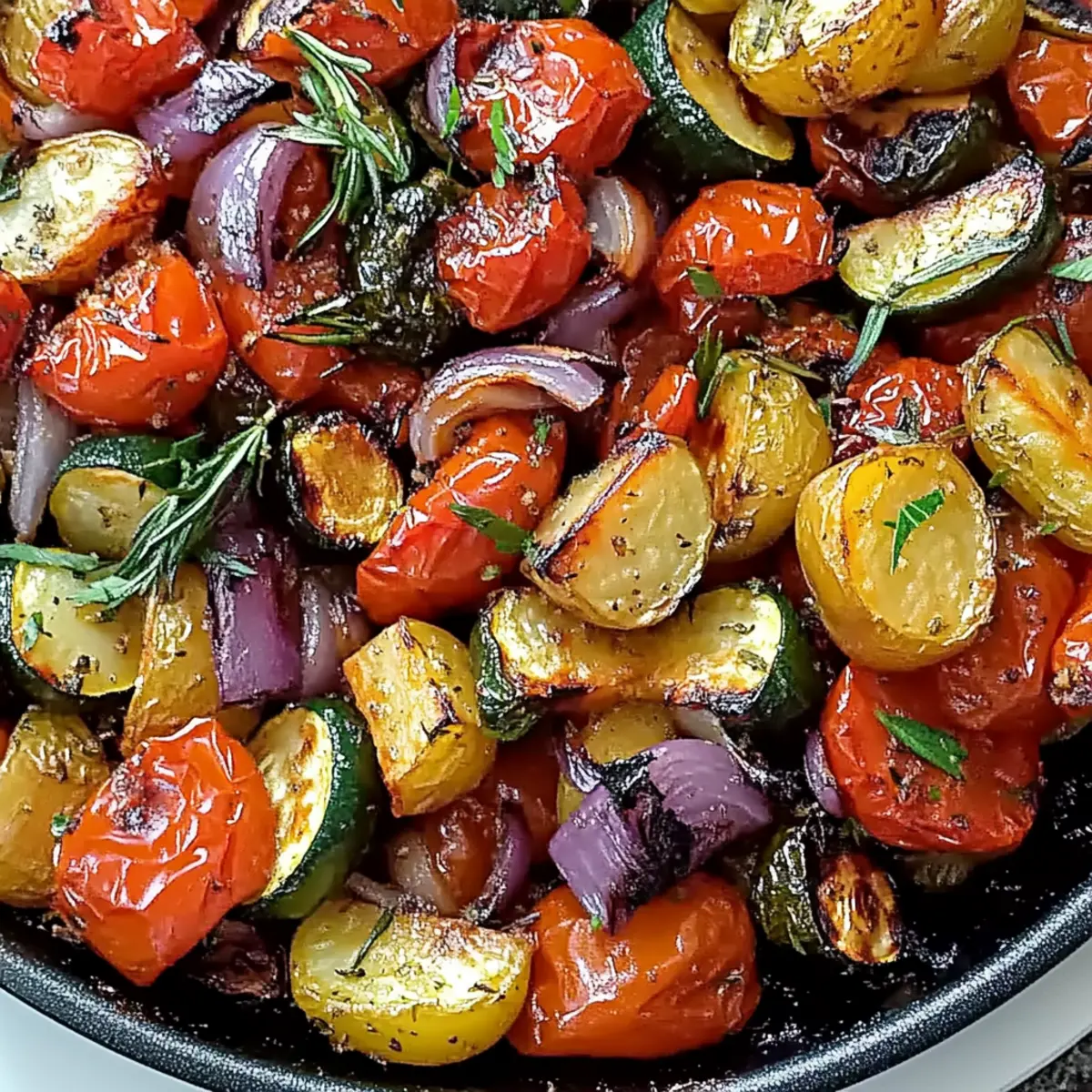
What to Serve with Mediterranean Briam?
Elevate your dining experience by pairing Mediterranean Briam with delicious accompaniments that harmonize beautifully with its rich, roasted flavors.
- Crispy Pita Chips: Add a crunchy texture that complements the softness of the vegetables, perfect for scooping up every delicious morsel.
- Lemon Herb Quinoa: This light, fluffy side brings out the zestiness of the dish and adds a nuttiness that rounds out the meal.
- Grilled Lemon Chicken: Juicy, aromatic chicken pairs excellently with the earthy flavors of Briam, adding a protein element to the table.
- Tzatziki Sauce: This cool, creamy yogurt dip enhances the Mediterranean taste and provides a refreshing contrast to the warm vegetables.
- Feta Cheese Crumbles: Sprinkle some tangy feta on top of the roasted vegetables for an added layer of creaminess and saltiness that elevates the entire dish.
- Greek Salad: Crisp cucumbers, ripe tomatoes, and olives provide a fresh, crunchy counterpart to the warm, roasted flavors, while a drizzle of olive oil ties everything together.
- Red Wine: A glass of medium-bodied red wine enhances the overall dining experience with its rich flavors, while the acidity complements the freshness of the vegetables.
- Baklava: For dessert, the flaky sweetness of baklava is a delightful finish, offering a perfect contrast to the savory nature of the meal.
Make Ahead Options
These Traditional Greek Roasted Vegetables are a fantastic option for meal prep! You can chop and season the gold potatoes, zucchini, and onions up to 24 hours in advance; simply store them in an airtight container in the refrigerator to maintain their freshness. The diced tomatoes can also be portioned ahead of time and refrigerated. When you’re ready to enjoy your meal, layer the prepared vegetables and tomatoes in your oven-safe pan, drizzle with olive oil, and simply cover and bake as directed—no additional prep needed! This way, you’ll have a delicious and hearty dish on your table with minimal effort, perfect for busy weeknights!
Expert Tips for Traditional Greek Roasted Vegetables
-
Uniform Slicing: Ensure vegetables are sliced uniformly to promote even cooking; uneven sizes will lead to inconsistent textures.
-
Moisture Control: Keep an eye on moisture levels during roasting; adjust cooking time as necessary to achieve that perfect char without drying out the vegetables.
-
Ingredient Quality: Use fresh, high-quality ingredients when making your Traditional Greek Roasted Vegetables to enhance the flavor and overall dish.
-
Experiment with Veggies: Don’t hesitate to swap in your favorite vegetables; this dish is versatile, and using seasonal produce can elevate your Briam.
-
Watch the Garlic: Be cautious with garlic around pets, as it can be toxic to dogs; consider using a smaller amount if you have furry friends.
Traditional Greek Roasted Vegetables Variations
Feel free to jazz up these Traditional Greek Roasted Vegetables to suit your taste buds and dietary preferences!
-
Sweet Potato Swap: Substitute gold potatoes with sweet potatoes for extra sweetness and nutrition. Their natural sugars caramelize beautifully when roasted.
-
Add Some Heat: Toss in red pepper flakes or jalapeños for an exciting spicy kick. It’s a simple way to transform the dish and warm your palate.
-
Cheesy Delight: Top your Briam with crumbled feta cheese before roasting for a creamy contrast. The cheese melts and mingles with the veggies, creating a rich, savory flavor.
-
Whole Grain Boost: Layer cooked quinoa or couscous underneath the roasted vegetables for added heartiness. This makes your meal even more filling and nutritious. Plus, it will soak up those delightful juices!
-
Herbal Infusion: Switch the dried oregano for fresh herbs like mint or dill. This will give your dish a vibrant, refreshing twist that enhances the Mediterranean experience.
-
Vibrant Veggie Medley: Incorporate seasonal vegetables like asparagus, carrots, or artichokes for variety; just make sure to adjust roasting times as needed for different textures.
-
Sticky Sweet: For a fun twist, drizzle a bit of balsamic glaze over the vegetables before serving. It adds a delightful sweetness and enhances the dish’s rich flavors.
-
Nutty Crunch: Sprinkle some toasted pine nuts or walnuts on top just before serving. The added crunch and nuttiness will elevate each bite!
Explore more ways to enjoy a medley of flavors in your cooking with our succulent Mixed Vegetables Stir Fry or dive into spicy adventures with our famous chili roasting recipes!
How to Store and Freeze Traditional Greek Roasted Vegetables
-
Fridge: Store leftovers in an airtight container for up to 3 days. Ensure the container is sealed tightly to maintain freshness and prevent any odors from permeating the dish.
-
Freezer: For longer storage, portion your Traditional Greek Roasted Vegetables and freeze them for up to 2 months. Use freezer-safe containers or bags to prevent freezer burn.
-
Thawing: To reheat, thaw in the refrigerator overnight before warming on the stovetop or in the oven until heated through, preserving the vibrant flavors.
-
Reheating: For best results, reheat gently to retain texture—avoid high heat which can cause vegetables to become mushy or lose their roasted flavor.
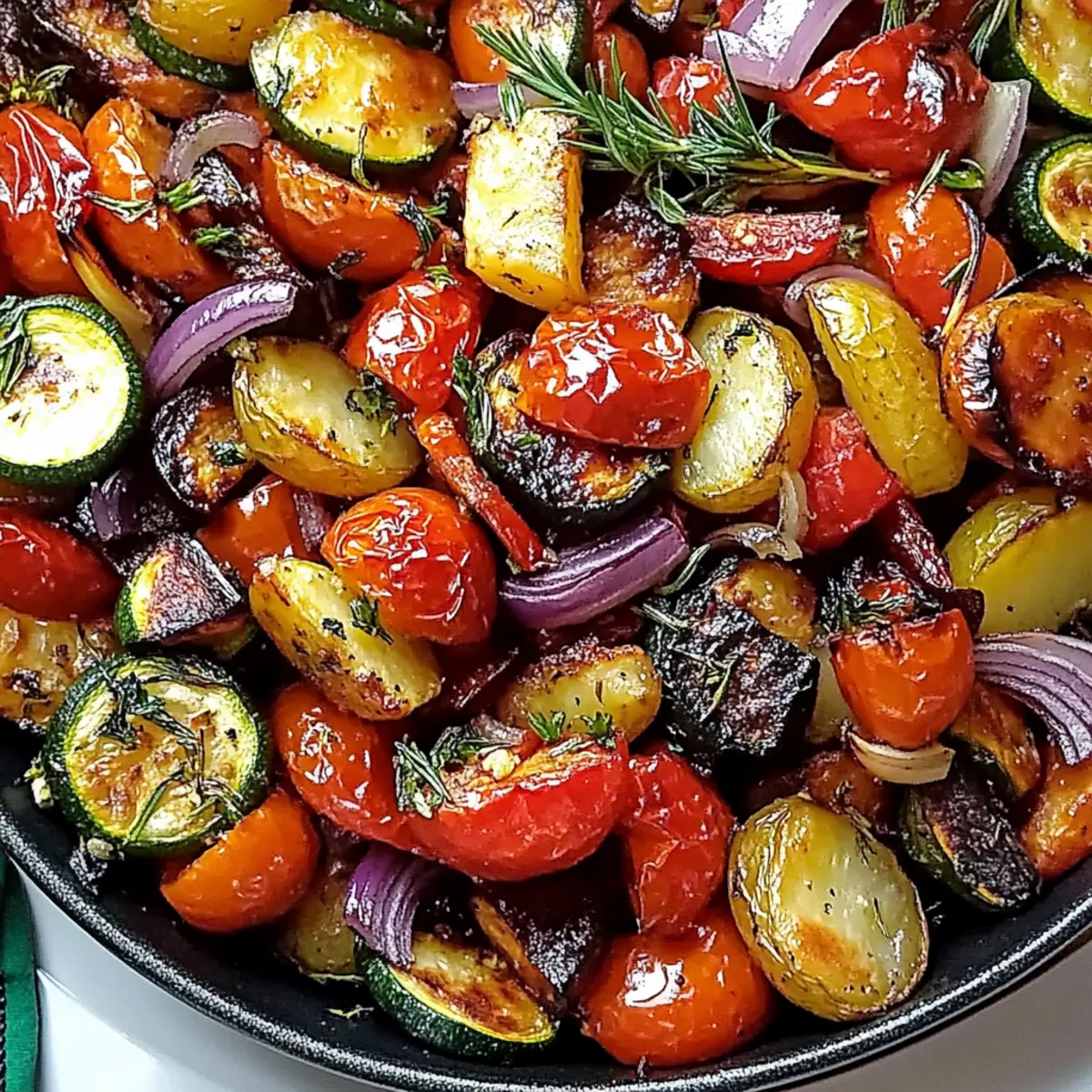
Traditional Greek Roasted Vegetables Recipe FAQs
What vegetables are best to use for Traditional Greek Roasted Vegetables?
Absolutely, the heart of this dish lies in the choice of veggies! While gold potatoes and zucchini are traditional choices, feel free to experiment with eggplant, bell peppers, or even asparagus for a seasonal twist. Just make sure the vegetables you choose are fresh and free of dark spots or blemishes, as these can affect both flavor and texture.
How should I store any leftovers from the Traditional Greek Roasted Vegetables?
Great question! Store your leftovers in an airtight container in the refrigerator for up to 3 days. Make sure to seal it well to keep the flavors intact and prevent any odors from mingling with other fridge items. When you’re ready to enjoy them again, simply reheat in the oven for the best results!
Can I freeze Traditional Greek Roasted Vegetables?
Yes, you can! For longer storage, portion your roasted veggies into freezer-safe containers or bags. They’ll keep well for up to 2 months. When you’re ready to eat them, allow them to thaw in the refrigerator overnight, then reheat gently on the stovetop or in the oven until warmed through.
I noticed my vegetables turned out mushy. What did I do wrong?
Very valid concern! This typically stems from too much moisture or overcooking. Ensure your vegetable pieces are chunky and consistent in size to facilitate even cooking. Also, avoid covering the veggies tightly for the entire cooking time; the initial steaming is crucial, but the last part should be uncovered to let the moisture evaporate and promote a charred texture.
What dietary considerations should I keep in mind with Traditional Greek Roasted Vegetables?
This dish is an amazing vegetarian option, and with the right swaps, it can be vegan-friendly! Just check that your olive oil and any additional toppings like feta are suitable for your dietary needs. Also, be cautious with garlic around pets, as it can be toxic to dogs.
Can I add more spices or herbs to the Traditional Greek Roasted Vegetables?
Absolutely! The more, the merrier! Try adding a sprinkle of red pepper flakes for heat or fresh basil for an aromatic touch. Be creative—this dish is highly adaptable, and using seasonal herbs can elevate its flavor profile significantly!
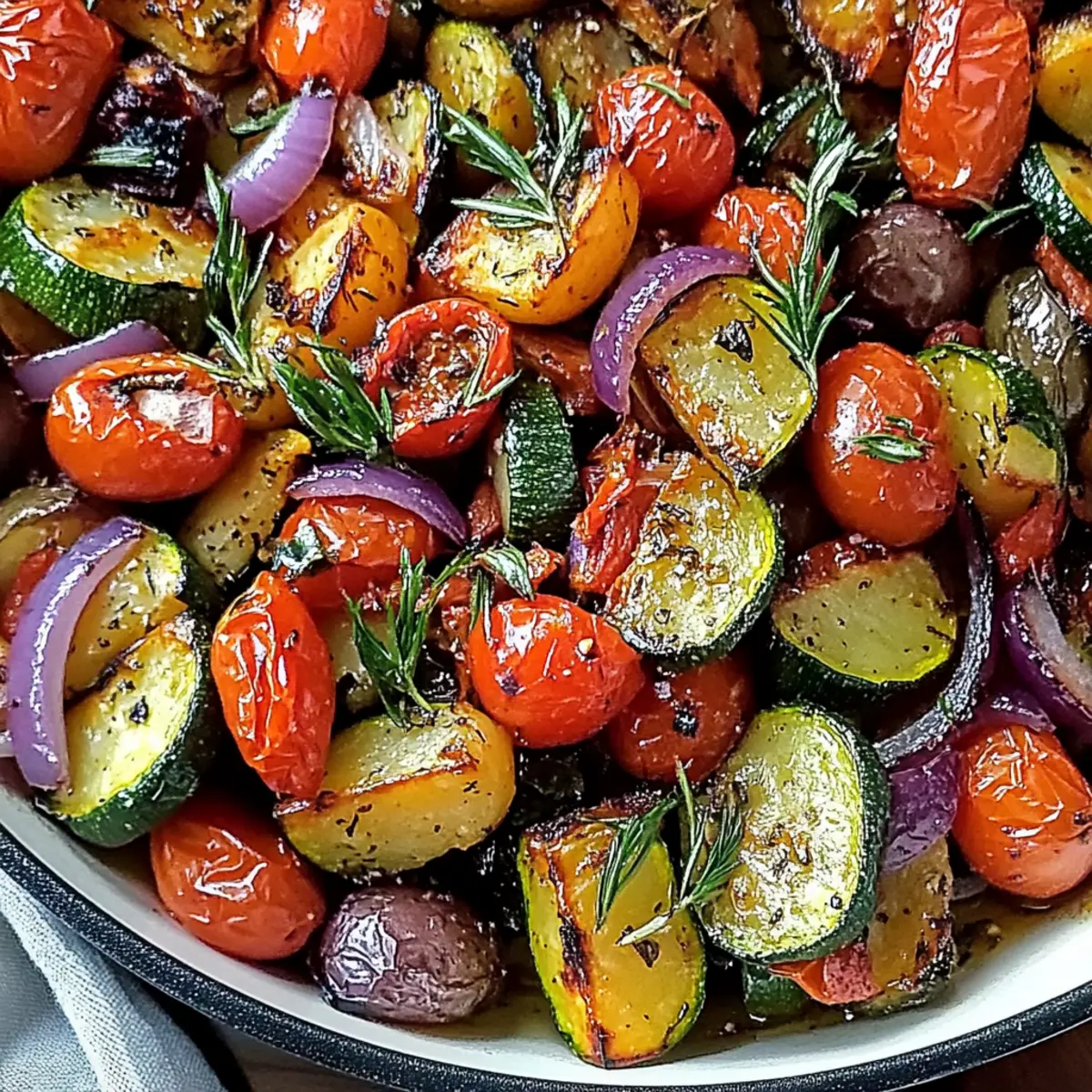
Delicious Traditional Greek Roasted Vegetables for Home Cooks
Ingredients
Equipment
Method
- Preheat the oven to 400°F (205°C). Gather all your ingredients and equipment, including a large mixing bowl and an oven-safe skillet or large round pan.
- In a large mixing bowl, combine sliced gold potatoes and zucchini. Season with salt, pepper, oregano, rosemary, and minced garlic. Drizzle in the olive oil and toss until evenly coated.
- Layer half of the canned diced tomatoes on the bottom of the oven-safe skillet or pan.
- Artfully arrange the seasoned vegetables and sliced red onion in rows atop the tomato layer.
- Drizzle the remaining olive oil mixture over the arranged vegetables and scatter the leftover diced tomatoes on top.
- Cover with aluminum foil and bake for 45 minutes.
- Remove the foil and let the vegetables roast uncovered for an additional 30 to 40 minutes until caramelized.
- Once roasted, let cool briefly before serving; drizzle more olive oil if desired.