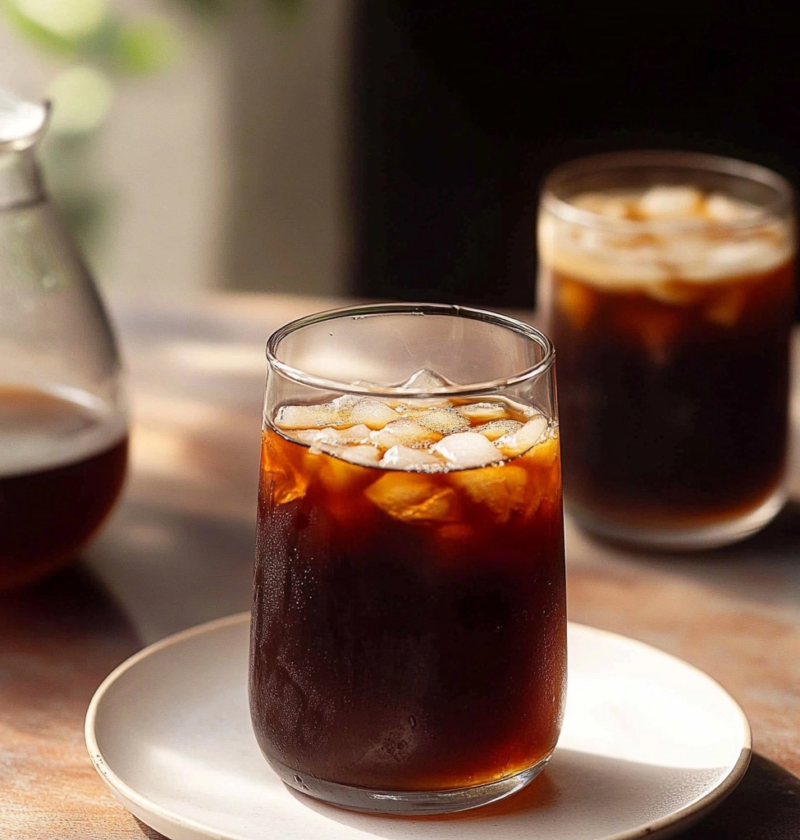
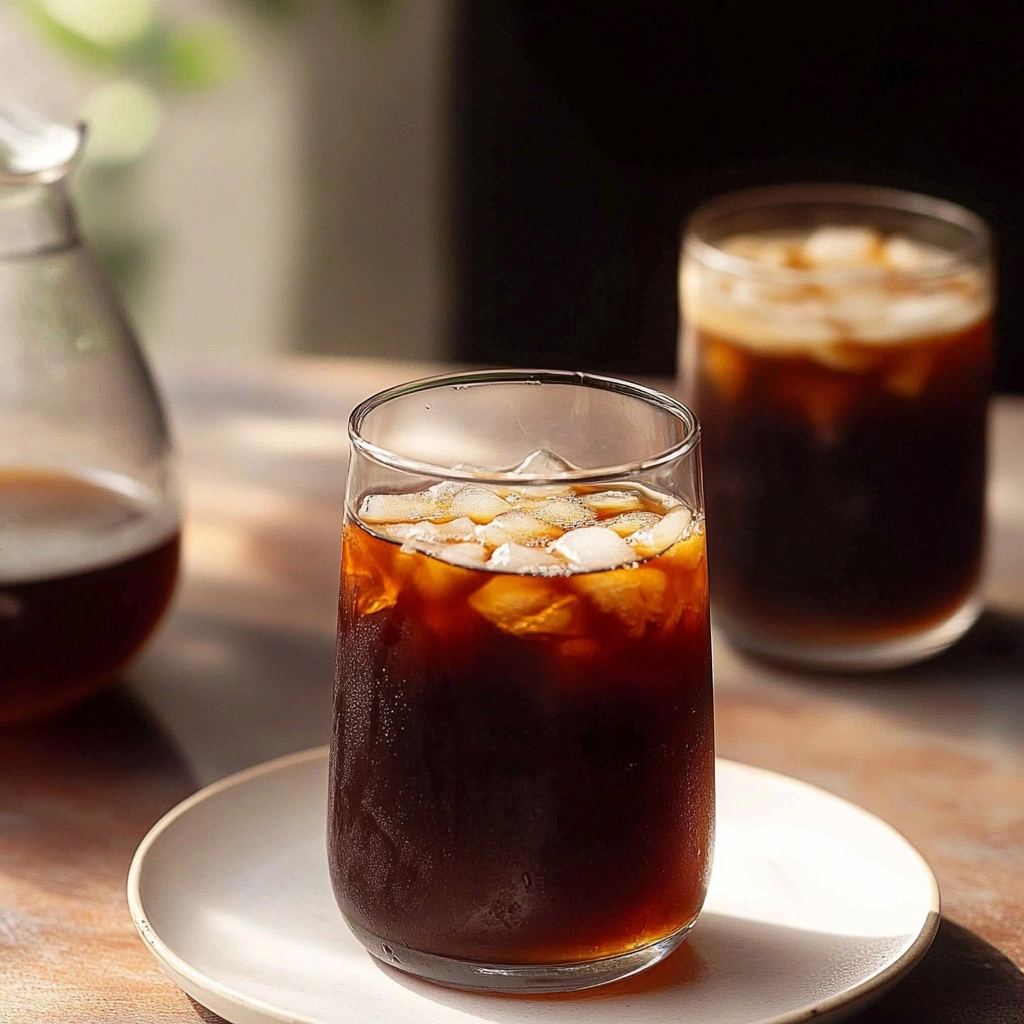
Cold brew coffee is a concentrated beverage brewed with cold water over a long period for a smooth and less acidic taste experience. This slow extraction method highlights the natural sweetness and chocolatey notes found in high-quality beans without the harsh bite of hot brewing. Many home coffee lovers prefer this method because it creates a versatile concentrate suitable for iced drinks or hot serving with minimal effort.
| Detail | Information |
|---|---|
| Prep Time | 15 minutes |
| Cook Time | 0 minutes |
| Total Time | 12 to 24 hours |
| Servings | 4 to 8 cups |
| Difficulty | Easy |
| Cuisine | International |
| Category | Beverage |
| Method | Steeping and Straining |
Why This Recipe Works
This cold brew method works effectively because it utilizes time rather than heat to extract flavors from the coffee grounds. The extended infusion period allows oils and soluble compounds to dissolve gently, creating a rich concentrate that is notably smoother on the palate than traditional hot brewed coffee. This approach is particularly reliable for those who find standard brewing methods too bitter or acidic during the early morning hours.
Using coarsely ground coffee significantly reduces sediment in the final liquid and prevents over-extraction which can lead to unpleasant astringency. The specific water-to-coffee ratio ensures that you create a brew that retains its distinct character even when diluted with ice or milk later. This consistency makes it a favorite for weekly meal prep because you can store the base liquid and customize your drink daily without losing the quality.
The steeping duration between twelve and twenty-four hours provides the necessary time for full dissolution of the solubles without extracting harsh tannins found in prolonged hot brewing. You gain control over the final intensity by adjusting the time slightly based on your taste preference and the roast level of your beans. This flexibility is a major reason why this brewing style has gained such significant popularity in recent years among home baristas.
Chef Tips for Perfect Results
Following precise measurements and steeping guidelines ensures you achieve a balanced and flavorful cup every single time you brew.
- Grind Size Matters: Use a coarse grind similar to sea salt to prevent fine particles from passing through your strainer and making the coffee muddy.
- Water Quality: Always start with cold filtered water because minerals in tap water can negatively affect the extraction process and alter the delicate flavor notes.
- Constant Temperature: Keep the mixture at a stable cool temperature since fluctuations can cause uneven extraction or spoil the grounds if the room is too warm.
- Gentle Stirring: Stir the grounds and water initially to ensure all coffee particles are saturated but avoid agitation during the steep phase to prevent oxidation.
- Fine Straining: Pour the mixture through a cheesecloth or fine mesh for the cleanest cup to remove any remaining sediment that might settle at the bottom.
- Storage Temperature: Refrigerate the finished cold brew immediately after straining to slow down oxidation and preserve the fresh flavor profile for later consumption.
- Coffee Ratio: Maintain a ratio of one part coffee to four parts water for a standard strength concentrate that can be diluted to your liking.
- Timing Control: If you prefer a stronger cup, steep for the full twenty-four hours, but do not exceed this time to avoid bitterness.
Common Mistakes to Avoid
Making cold brew is generally forgiving but certain errors can ruin the texture or taste of your final beverage.
| Mistake | Why It Happens | How to Fix It |
|---|---|---|
| Over-extraction | Leaving grounds in water for too long | Strain after exactly twenty-four hours |
| Fine Sediment | Using a fine coffee grind | Switch to a coarse grind like sea salt |
| Weak Flavor | Using too much water | Increase coffee grounds to one cup |
| Stale Taste | Storing container is not airtight | Use a glass jar with a sealed lid |
| Hazy Brew | Skip the cheesecloth layer | Line strainer with two layers of cloth |
| Warm Base | Steeping on hot counter | Keep mixture in the refrigerator |
Variations and Substitutions
You can easily customize this base recipe to fit dietary needs or flavor preferences without compromising the core brewing technique.
| Ingredient or Element | Substitution or Variation | Impact on Flavor or Texture |
|---|---|---|
| Hot Water | Cold water only | Hot water creates a different profile not cold brew |
| Coarse Coffee | Medium roast beans | Adjusts acidity and body richness levels |
| Bottling Water | Filtered tap water | Minerals in filtered water improve extraction taste |
| Cone Filter | Fine Mesh Sieve | Sieve allows more sediment but saves time |
| Cheesecloth | Paper Coffee Filter | Paper paper adds filtration but changes flow speed |
| Regular Milk | Oat Milk Alternative | Creates creamier texture and nutty notes |
| Sugar | Stevia Sweetener | Reduces calories without adding sugar taste |
| Syrup | Vanilla Extract | Adds aromatic sweetness after brewing |
Serving Suggestions and Pairings
Serving cold brew involves creative additions that complement its natural smoothness and lack of acidity.
- Serve straight over ice cubes for a refreshing thirst quencher on a hot summer day.
- Add a splash of cold oat milk to create a creamy latte without any espresso machine.
- Pour over a scoop of vanilla bean ice cream for a delicious and quick homemade float.
- Mix in a dash of cinnamon to add warmth to the flavor profile of the coffee.
- Serve in a mason jar with a reusable straw for a rustic and eco-friendly presentation.
- Add a slice of orange peel to the rim of the glass for a citrus accent.
- Combine with a splash of sparkling water to create a fizzy cold brew spritzer drink.
- Top with chocolate shavings to enhance the natural cocoa notes found in the beans.
- Pair with a simple biscotti for a classic and satisfying breakfast or snack combination.
- Add lavender syrup for a floral touch that complements the earthy coffee flavors.
- Serve with a side of fresh berries for a healthy and antioxidant-rich breakfast.
- Use the concentrate as a base for iced mochas by mixing with chocolate syrup.
You can create a complete brunch menu by serving this coffee alongside fluffy pancakes and fresh fruit to start your day with energy and comfort.
Make Ahead Options
Yes, this recipe is perfect for making ahead of time since it requires a long steeping period that occurs in storage. You can prepare the entire batch over the weekend so your coffee is ready for the busy weekday mornings without needing effort. Cold brew concentrate actually tastes better after resting for a few days as the flavors continue to meld and mellow out in the refrigerator.
The brew stays fresh for up to a week if stored correctly in an airtight container to protect it from absorbing other food odors inside the fridge. Preparing it one week in advance ensures you never run out of coffee during your morning rush since the shelf life is quite long. You simply strain the grounds out once and keep the liquid ready to pour at any moment.
Storage and Reheating
Proper storage extends the shelf life of your concentrate and ensures it retains quality for up to a week.
| Method | Duration | Instructions |
|---|---|---|
| Room Temperature | Not Recommended | Risk of spoilage and bacterial growth after two hours |
| Refrigerator | 1 Week | Store in sealed glass jar or airtight bottle |
| Freezer | 1 Month | Use ice cube trays for convenient portioning |
| Reheating | Optional | Warm gently if serving hot but not required |
| Make Ahead | 2 Weeks | Best quality within five days of brewing |
Nutritional Information
Approximate values are based on one serving and may vary depending on exact ingredients and portion size.
| Nutrient | Amount per Serving |
|---|---|
| Calories | 5 |
| Protein | 0 grams |
| Fat | 0 grams |
| Saturated Fat | 0 grams |
| Carbohydrates | 0 grams |
| Fiber | 0 grams |
| Sugar | 0 grams |
| Sodium | 5 mg |
Frequently Asked Questions
Can I substitute the ground coffee for instant coffee?
No, you cannot substitute ground coffee for instant coffee because instant granules dissolve differently in liquid. The brewing method relies on solid particles to release flavor through infusion over time rather than dissolving immediately. Following the specific instruction of using ground coffee ensures the texture and strength are correct for the cold brew style.
How do I know when the cold brew tastes right?
The coffee is ready when it has reached a dark amber color and smells rich and aromatic without any harsh odors. The liquid should pour smoothly from the jar and coat the sides of the container slightly indicating proper concentration. Taste a small spoonful diluted with water to check if the bitterness or smoothness meets your personal preference level.
What causes my cold brew to taste too muddy?
Mud-like liquid usually results from using a grind size that is too fine for the straining equipment you are using. It is crucial to use a coarse grind to allow water flow while trapping the particles in the filter effectively. Switching to a cheesecloth layered over a sieve will capture the remaining fine sediment that passes through the mesh alone.
Can I freeze the cold brew for later use?
Yes, you can freeze the concentrate into ice cubes to keep it for up to three months in the freezer. This method prevents dilution when you eventually want to pour it over fresh ice because the cubes will melt into the drink itself. Simply pour the liquid into a tray and wait for the cubes to harden before transferring them to a freezer bag.
Does adding milk change the shelf life of the drink?
Adding dairy milk significantly shortens the shelf life once the concentrate is mixed because milk spoils faster than the coffee base. You should mix the milk only at the time you plan to drink the beverage to avoid waste and food safety risks. Store the concentrate separately and only combine it with your chosen milk right before serving the cup.
Is it safe to leave the mixture out overnight to steep?
It is safer to keep the mixture in the refrigerator during the steeping process to prevent bacterial growth from the ground coffee. Leaving wet coffee grounds at room temperature for twelve to twenty-four hours can lead to spoilage and off flavors in the final product. The instructions recommend covering and letting it sit at room temperature for shorter periods or in the fridge for longer periods.
Conclusion
Cold brew coffee offers a simplified yet sophisticated way to enjoy a smooth and low-acid beverage that is perfect for any time of day. By mastering the simple steep and strain method, you create a versatile concentrate that supports a variety of delicious drink recipes. Enjoy the satisfying texture of cold brew coffee in your home kitchen with this reliable and stress-free guide.
Cold Brew Coffee Brewing Guide for Smooth Flavor
Ingredients
Method
- Measure coffee grounds and pour into a large container or French press
- Add cold water and stir until fully saturated
- Cover and let steep at room temperature for 12 to 24 hours
- Strain through a fine-mesh sieve or cheesecloth into a clean container
- Store concentrate in the refrigerator for up to 2 weeks
Nutrition
Notes
Adjust steeping time to taste (longer = stronger)
Dilute with water, milk, or ice before serving
Fresh water yields better flavor than distilled water
Store in sealed containers to maintain quality