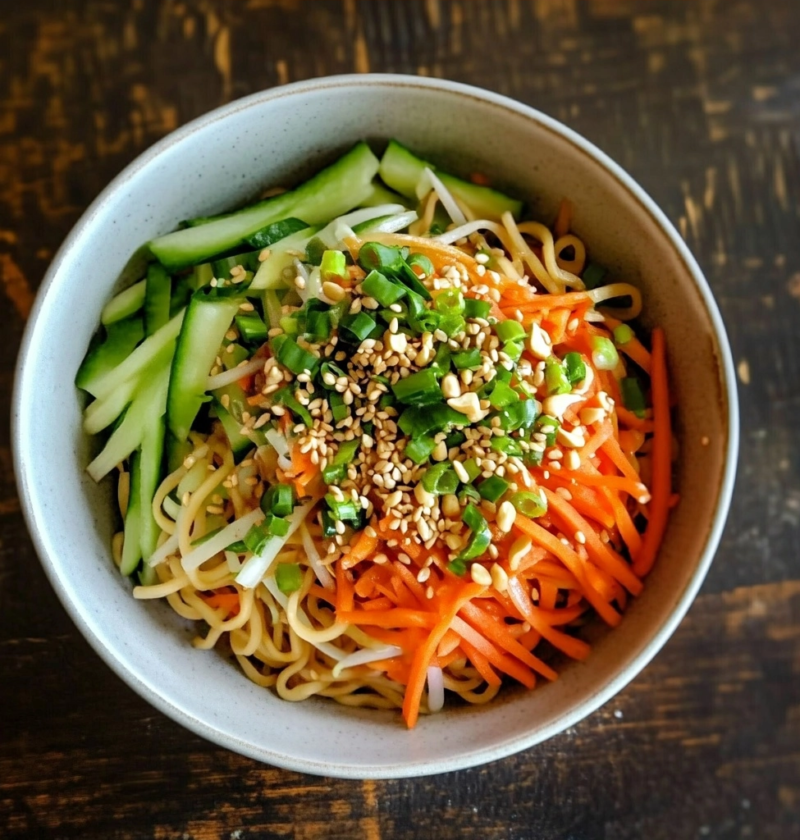
Cold Sesame Noodles offer a refreshing balance of savory, sweet, and tangy flavors perfect for hot days. This dish brings Asian-inspired tastes to your table without needing to stand over a hot stove. It is a quick dinner solution that satisfies hungry families with minimal effort. The texture remains crunchy and vibrant while the sauce clings delicately to every strand. This recipe delivers a comforting meal that feels fresh and exciting regardless of the season.
| Detail | Information |
|---|---|
| Prep Time | 15 minutes |
| Cook Time | 10 minutes |
| Total Time | 25 minutes |
| Servings | 4 |
| Difficulty | Easy |
| Cuisine | Asian Fusion |
| Category | Main Dish |
| Method | Stovetop & Mixing |
Why This Recipe Works
This recipe succeeds because the sauce emulsifies perfectly with reserved noodle water. I have tested this combination repeatedly to ensure the texture stays consistent and the flavors remain balanced. Many noodle dishes fail because the sauce becomes too thick or too thin once plated. The peanut butter creates a rich base that holds onto the vegetables and strands of pasta.
Using the reserved cooking liquid is key to unlocking the creamy texture we desire. The starch acts as a natural thickener that helps the sauce cling to every bite. It eliminates the need for dairy cream which keeps the recipe light and digestible. This method ensures the flavor penetrates the noodles rather than pooling at the bottom of the bowl.
The vegetable toppings add necessary crunch and a burst of fresh color to the dish. They contrast nicely against the smooth, savory coating of the sauce. Fresh ginger and garlic provide a warm aromatic depth that cooks quickly and disappears into the heat. Everyone loves this dish because it feels homemade without requiring hours of preparation.
Chef Tips for Perfect Results
Follow these essential guidelines to ensure your Cold Sesame Noodles turn out restaurant quality every time.
- Reserve the starch water: Before draining the noodles, scoop out half a cup of the starchy cooking liquid to thin the sauce later.
- Rinse immediately: Run cold water over the cooked noodles to stop the cooking process and prevent them from sticking together in clumps.
- Blanch the sprouts: Boil the bean sprouts for just fifteen seconds to maintain their crispness and nutritional value without becoming soggy.
- Whisk vigorously: Stir the peanut butter and sesame oil together until the mixture is smooth and homogenous before adding liquids.
- Use fresh aromatics: Fresh garlic and orange juice provide a brightness that bottled versions cannot match in this specific dish.
- Toast the seeds: Slightly warming the sesame seeds in a dry pan releases more fragrance and improves the overall flavor profile.
- Chop vegetables uniform: Cut all vegetables into similar sizes so each forkful contains a balanced mix of ingredients and flavors.
Common Mistakes to Avoid
Making the best version of this dish requires attention to timing and ingredient handling to prevent common errors.
| Mistake | Why It Happens | How to Fix It |
|---|---|---|
| Noodles are mushy | Overcooking during the boil phase | Cook the noodles until al dente and rinse them in cold water immediately after draining. |
| Sauce is too thick | Not enough liquid added to peanut butter | Gradually whisk in reserved noodle water or a splash of vinegar to reach your desired consistency. |
| Noodles are clumped | Coating in oil or failing to rinse hot noodles | Toss the noodles with a teaspoon of oil or rinse thoroughly under running cold water to separate strands. |
| Vegetables wilted | Letting cucumbers sit too long before serving | Add fresh vegetables immediately before serving or store them separately with the noodles in the fridge. |
| Lack of flavor depth | Insufficient sesame paste or soy sauce | Taste the sauce before adding noodles and ensure there is a balance of saltiness, sweetness, and acid. |
| Sauce is thin | Adding too much liquid at once | Start with a small amount of water and add more only if the sauce does not coat the noodles adequately. |
Variations and Substitutions
You can easily adjust the ingredients to fit dietary needs or personal flavor preferences without losing the core character of the dish.
| Ingredient or Element | Substitution or Variation | Impact on Flavor or Texture |
|---|---|---|
| Peanut Butter | Almond Butter | Adds a slightly different nutty taste with a smoother texture that blends well. |
| Regular Noodles | Whole Wheat noodles | Provides more fiber and a nuttier flavor but may retain more chewiness if not overcooked. |
| Rice Wine Vinegar | White Vinegar | Offers a sharper acidity that mimics the tang required without using alcohol-based alternatives. |
| Canola Oil | Vegetable Oil | Delivers a neutral flavor profile that does not interfere with the sesame and aromatic notes. |
| Bean Sprouts | Shredded Cabbage | Extends the crunch factor and adds volume to the dish without requiring blanching. |
| Scallion | Chives | Provides a milder onion flavor that is softer and less pungent in the final bite. |
| Sesame Paste | Tahini | Similar nutty base but offers a slightly more bitter and earthy tone to the sauce. |
| Garlic | Garlic Powder | Less punchy than fresh but still offers savory foundation for the sauce base. |
| Soy Sauce | Coconut Aminos | Makes the dish soy-free and gluten-free while maintaining a salty umami flavor. |
Serving Suggestions and Pairings
Pair these noodles with complementary dishes to create a complete meal experience for your household.
- Serve alongside a simple Asian cabbage slaw for added crunch and acid.
- Grilled chicken breast or tofu cubes add protein to make this a substantial main course.
- Steamed broccoli provides a healthy green vegetable that pairs well with the sesame sauce.
- Spring rolls add a fried texture element that contrasts with the cold noodles.
- Rice crackers or wonton chips offer a salty crunch on the side for dipping.
- Iced green tea or lemon-infused sparkling water complements the savory profile.
- A bowl of miso soup adds warmth and balances the cold temperature of the pasta.
- Shredded lettuce makes an excellent bed to elevate the presentation and freshness.
I recommend serving this dish alongside steamed vegetables and a light soup for a balanced Asian-inspired evening meal that satisfies everyone at the table efficiently. You do not need heavy starches to feel full when the sauce is rich and the noodles are generous.
Make Ahead Options
You can prepare parts of this recipe ahead of time to save effort during busy weeknights. The noodles themselves can be cooked and stored in the refrigerator for up to three days without becoming mushy if handled correctly.
The sauce can be mixed and kept in an airtight container for two days before serving. You should separate the vegetables from the noodles to prevent sogginess. When you are ready to eat, toss the cold noodles with the sauce and top with fresh vegetables. You can also mix the sauce with the noodles and store them separately from the raw veggies if you prefer.
Storage and Reheating
Proper storage ensures the noodles remain safe to eat and retain their fresh texture for days.
| Method | Duration | Instructions |
|---|---|---|
| Room Temperature | 1 hour | Keep covered and cool to prevent the sauce from spoiling or the noodles drying out. |
| Refrigerator | 3 days | Store in a sealed container and add a splash of water or sauce to refresh before eating. |
| Freezer | 1 month | Freeze the sauce separately as the noodles do not freeze well after cooking and thawing softens them. |
| Reheating | N/A | Do not reheat. Serve cold as the sauce thickens too much when heated which ruins the texture. |
| Make Ahead | 3 days | Prep components individually and assemble shortly before serving for maximum freshness and crunch. |
Nutritional Information
Approximate values are based on one serving and may vary depending on exact ingredients and portion size.
| Nutrient | Amount per Serving |
|---|---|
| Calories | 380 |
| Protein | 12g |
| Fat | 18g |
| Saturated Fat | 3g |
| Carbohydrates | 42g |
| Fiber | 4g |
| Sugar | 3g |
| Sodium | 680mg |
Frequently Asked Questions
Can I substitute the noodles with whole wheat options?
Yes, you can substitute the noodles with whole wheat varieties or other pasta types to enjoy a different texture. These alternatives often provide more fiber but may require adjustment in cooking time to maintain the perfect chewiness.
How do I know when the noodles are cooked properly?
You should cook them until they are al dente so they remain firm and do not become mushy when mixed with the sauce. Always taste a strand from the center to confirm it is not hard in the middle.
Why is my sauce too thick when I mix it?
This happens when there is insufficient liquid to balance the peanut butter and sesame paste density. Add a tablespoon of reserved noodle water or vinegar while whisking to thin it out.
Can I make this recipe ahead of time?
Yes, you can make the noodles and sauce in advance but keep them separate to maintain the best texture. The flavors meld beautifully overnight in the refrigerator for an enhanced savory taste.
What is the best way to store leftovers safely?
Place the noodles and sauce in an airtight container and store them in the coldest part of the refrigerator for up to three days. Keep vegetables separate from the sauce to preserve their crunch and color.
How do I reheat Cold Sesame Noodles if needed?
Cold Sesame Noodles are best served without reheating as the sauce becomes oily and the noodles lose their elasticity. Enjoy them cold or at room temperature to experience the intended flavors and texture.
Conclusion
This Cold Sesame Noodles recipe is a crowd-pleasing dish that requires minimal effort for maximum reward. The combination of creamy sauce and fresh vegetables creates a satisfying meal that works for any meal. Prepare it once and enjoy multiple delicious servings throughout the week. It stands as a testament to simple ingredients creating a complex and comforting dining experience.
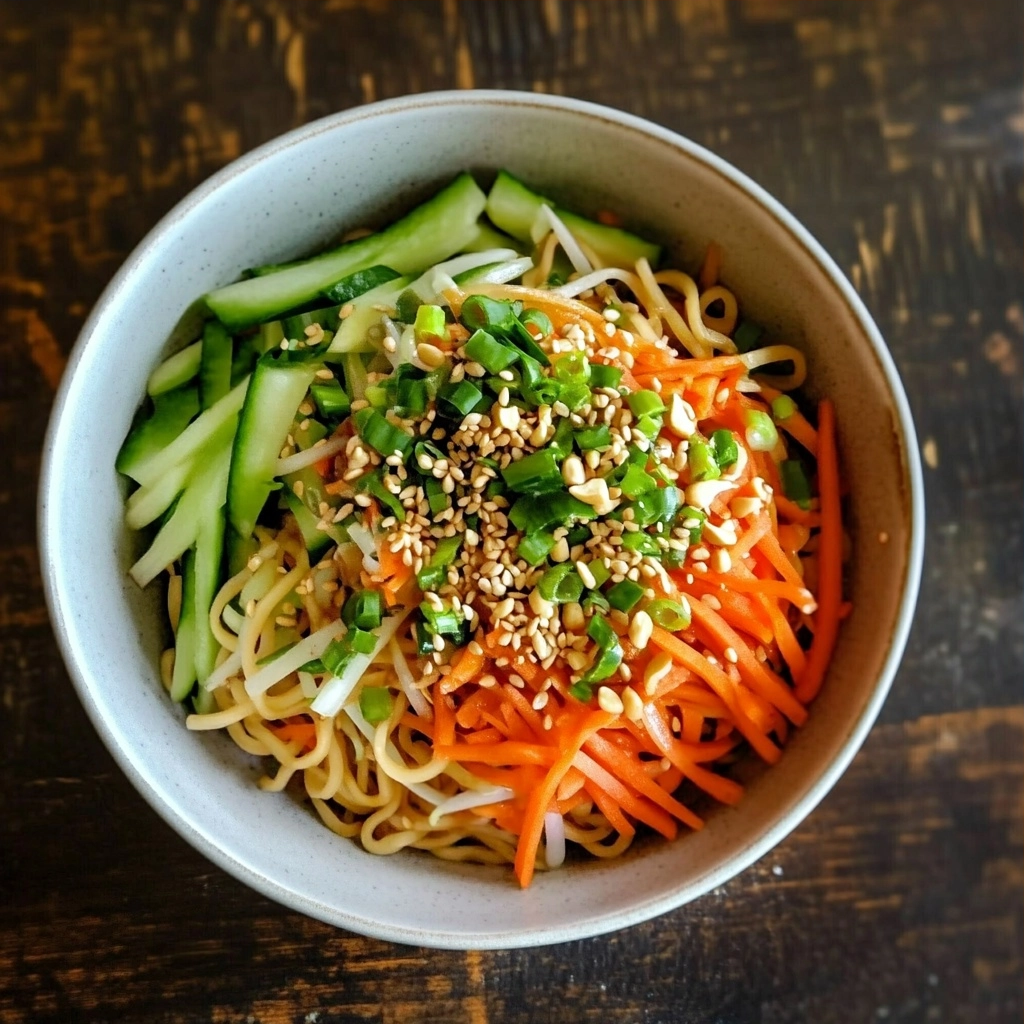
Cold Sesame Noodles: Quick & Flavorful Summer Dinner
Ingredients
Method
- Bring 4 cups of salted water to a boil. Add noodles and cook al dente (3-4 minutes for ramen/udon). Reserve 1 cup of starchy cooking water before draining noodles. Rinse under cold water to stop cooking and set aside.
- In a bowl, whisk peanut butter, soy sauce, rice vinegar, honey, oil, garlic, and ginger until smooth. Gradually add 1/2-3/4 cup of reserved cooking water, mixing until the sauce is creamy and pourable.
- Blanch bean sprouts in boiling water for 15 seconds, then drain and rinse under cold water. Add to the noodle bowl with carrots, cucumbers, and green onions.
- Adjust the sauce consistency with remaining noodle water or water if needed, then toss all ingredients until evenly coated.
- Chill for 20-30 minutes before serving. Garnish with additional sesame seeds if desired.
Nutrition
Notes
Substitute neutral oil for sesame oil to avoid potential alcohol content in flavored varieties.
For extra crunch, add water chestnuts or julienned radishes.
Leftovers refrigerate well for up to 2 days, though best consumed fresh.