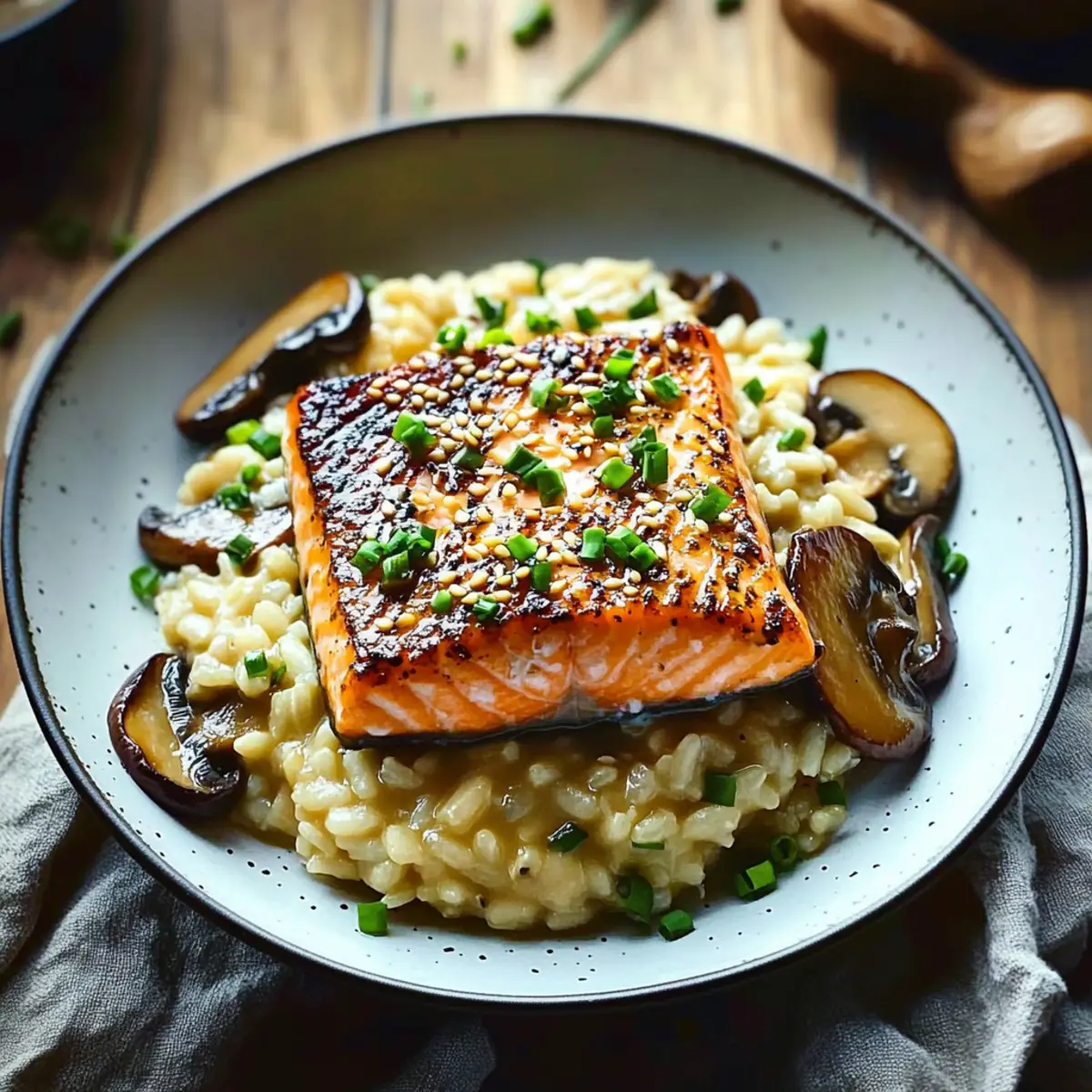
As I stood by the stove, the aroma of sautéed shiitake mushrooms filled the kitchen, instantly transporting me to a cozy izakaya in Tokyo. This savory Japanese Style Risotto with Seared Salmon marries the rich creaminess of traditional risotto with the umami depths of miso and fresh fish. Not only can this dish be whipped up in just 40 minutes, making it a fantastic option for busy weeknights, but it also serves as a show-stopper for dinner parties. The versatility allows you to adapt it to suit your culinary whims, be it with seasonal vegetables or a vibrant sprinkle of herbs. Are you ready to dive into a meal that’s as comforting as it is extraordinary?
Why is this risotto unforgettable?
Comforting Fusion: This Savory Japanese Style Risotto with Seared Salmon blends two culinary worlds, offering a delightful umami experience in every bite.
Quick & Easy: Ready in just 40 minutes, it’s perfect for busy weeknights but elegant enough for special occasions.
Versatile Ingredients: Customize with seasonal veggies or swap salmon for tofu for a vegetarian twist without sacrificing flavor.
Textural Delight: Each spoonful features creamy risotto and perfectly seared salmon, creating a satisfying balance with every mouthful.
Crowd-Pleasing Appeal: Whether you’re hosting guests or enjoying a quiet dinner, this dish is sure to impress, much like my Spicy Sriracha Salmon or Broiled Cod Paprika.
Meal Prep Friendly: Leftovers can be easily stored or frozen, ensuring a delicious meal that’s ready whenever you are.
Japanese Style Risotto Ingredients
For the Risotto
- Olive oil – Provides richness and is essential for sautéing, can substitute with vegetable oil.
- Shiitake mushrooms – Adds deep umami flavor; fresh or dried shiitakes can be used, but dried should be rehydrated.
- Low sodium soy sauce – Enhances savory notes without overwhelming saltiness; tamari can be used for gluten-free options.
- Yellow onion – Contributes sweetness and depth to the risotto base; shallots can be used as a substitute.
- Celery stalk – Adds crunch and aromatic flavor; can be omitted for a simpler version.
- Garlic clove – Infuses the dish with its inviting aroma; garlic powder may be substituted in a pinch.
- Rice (sushi or Arborio) – Forms the creamy base of the dish; risotto rice is ideal, with jasmine rice as an alternative, though texture may vary.
- Dry white wine (or sake) – Deglazes the pan and enhances flavor; for a non-alcoholic option, use extra broth or vinegar.
- Hot chicken broth – Adds moisture and flavor to the risotto; vegetable broth can be used for a vegetarian version.
- White miso paste – Provides savory richness that elevates the dish; miso can be substituted with tahini for a different flavor.
- Black pepper – For seasoning and a slight kick that can be adjusted to taste.
For the Salmon
- Salmon fillets – A healthy protein that pairs beautifully with the risotto; tofu or tempeh can be used as a vegetarian alternative.
- Unsalted butter – Adds richness to the salmon; can substitute with vegan butter.
For Garnish
- Chives – Adds a touch of color and mild flavor; green onions can serve as an alternative.
- Sesame seeds – For garnishing, enhancing the visual appeal and adding a nutty flavor; toasted nuts can be used instead.
With these fabulous ingredients, your Japanese Style Risotto with Seared Salmon is just a cooking adventure away! 🐟🍚
Step‑by‑Step Instructions for Japanese Style Risotto with Seared Salmon
Step 1: Marinate the Salmon
In a shallow dish, whisk together 5 tablespoons of soy sauce, 1 tablespoon of white wine, and 1 teaspoon of sugar. Add the salmon fillets, making sure they are well-coated, and let them marinate for at least 10 minutes. This process infuses the fish with savory flavors, setting the stage for your Japanese Style Risotto with Seared Salmon.
Step 2: Prep the Vegetables
While the salmon marinates, prepare your vegetables. Tear the shiitake mushrooms into smaller pieces, dice the celery, and finely chop the yellow onion. Finally, mince the garlic. Having these ingredients ready will streamline the cooking process and help create a wonderful flavor base for the risotto.
Step 3: Sauté Shiitake
Heat 2 tablespoons of olive oil in a skillet over medium heat. Once the oil is shimmering, add the torn shiitake mushrooms and sauté until they are golden brown and tender, about 5-7 minutes. Add 1 teaspoon of soy sauce for extra flavor, then remove the mushrooms from the skillet and set them aside, keeping that lovely umami essence infused in the pan.
Step 4: Cook Aromatics
In the same skillet, add another tablespoon of olive oil if needed, then toss in the diced celery, onion, and minced garlic. Sauté these aromatic ingredients over medium heat until the onions are translucent and fragrant, about 3-4 minutes. This step builds a flavorful foundation for your risotto, enhancing the dish’s overall taste.
Step 5: Toast the Rice
Add 1 cup of sushi or Arborio rice to the skillet, stirring well to coat with the oil and aromatics. Toast the rice for about 1-2 minutes, until it becomes slightly translucent. Next, deglaze the pan by pouring in ½ cup of dry white wine (or sake) and cook until the liquid is mostly absorbed. This process elevates the flavor profile of the Japanese Style Risotto.
Step 6: Add Broth Gradually
Begin adding your hot chicken broth slowly, about ½ cup at a time, stirring frequently. Allow each addition to be absorbed before pouring in the next, cooking for approximately 15 minutes until the rice is nearly al dente. This technique creates the creamy texture that is characteristic of a rich risotto while melding those wonderful Japanese flavors.
Step 7: Incorporate Shiitakes and Miso
Once the rice achieves a creamy consistency, gently fold in the sautéed shiitake mushrooms. In a separate bowl, dissolve 2 tablespoons of white miso paste in a small amount of broth, then mix it into the risotto. This will add a delightful umami richness to your Japanese Style Risotto with Seared Salmon, enhancing the overall depth of flavor.
Step 8: Sear the Salmon
While the risotto finishes cooking, heat another skillet over medium-high heat and add 2 tablespoons of unsalted butter along with a splash of olive oil. Once hot, carefully remove the salmon from the marinade and sear it for about 4 minutes on each side until it is golden brown and cooked through. The crispy exterior will perfectly complement the creamy risotto.
Step 9: Plate and Serve
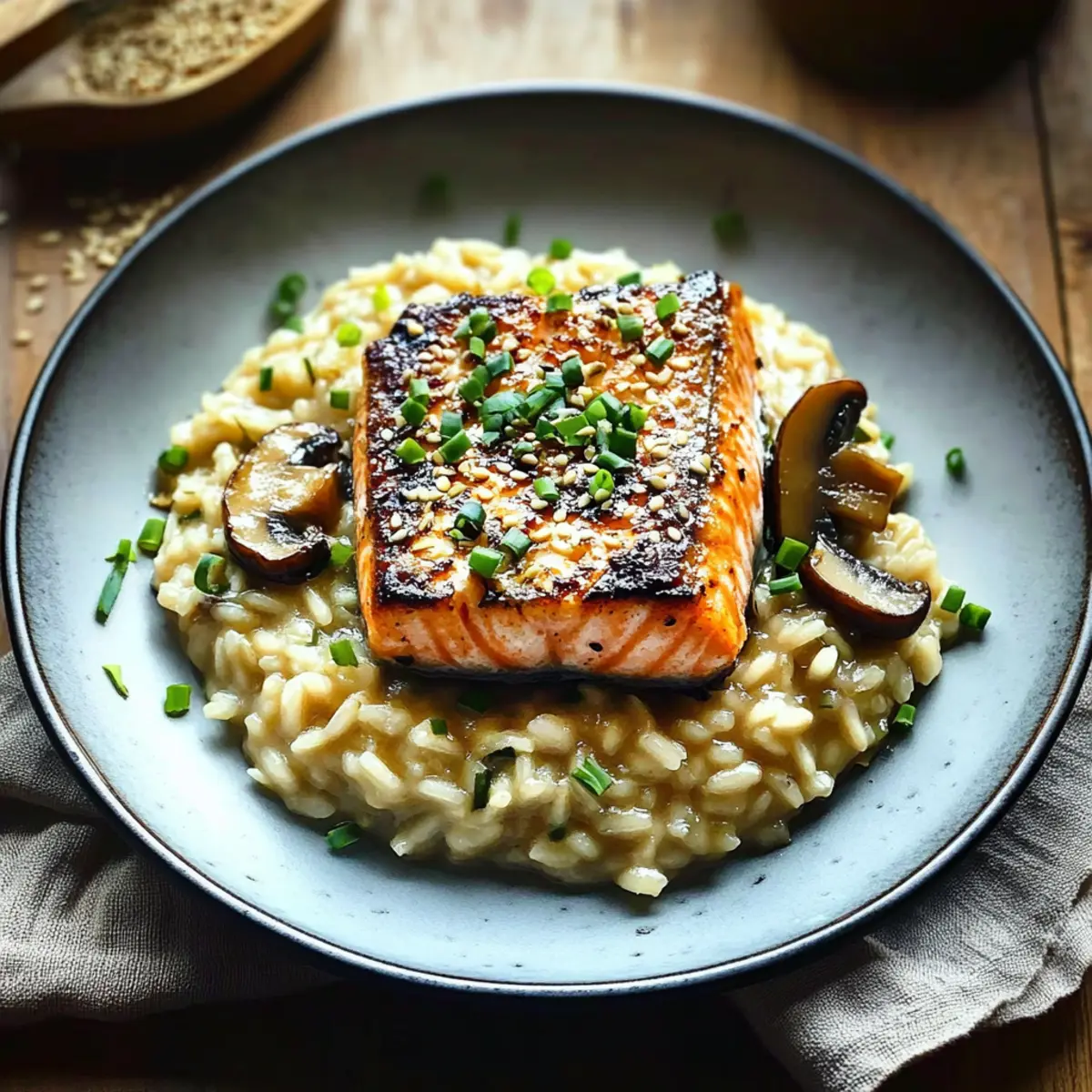
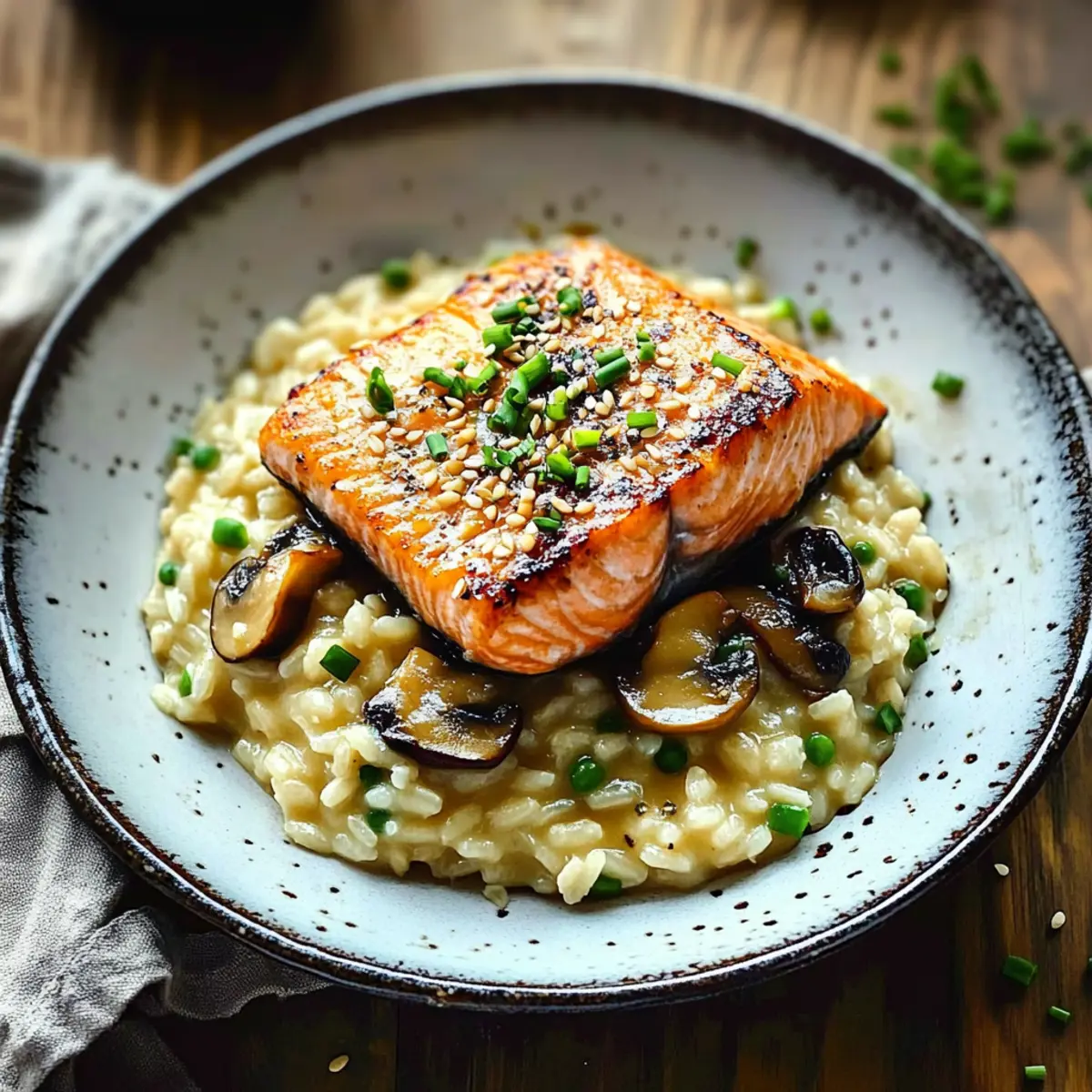
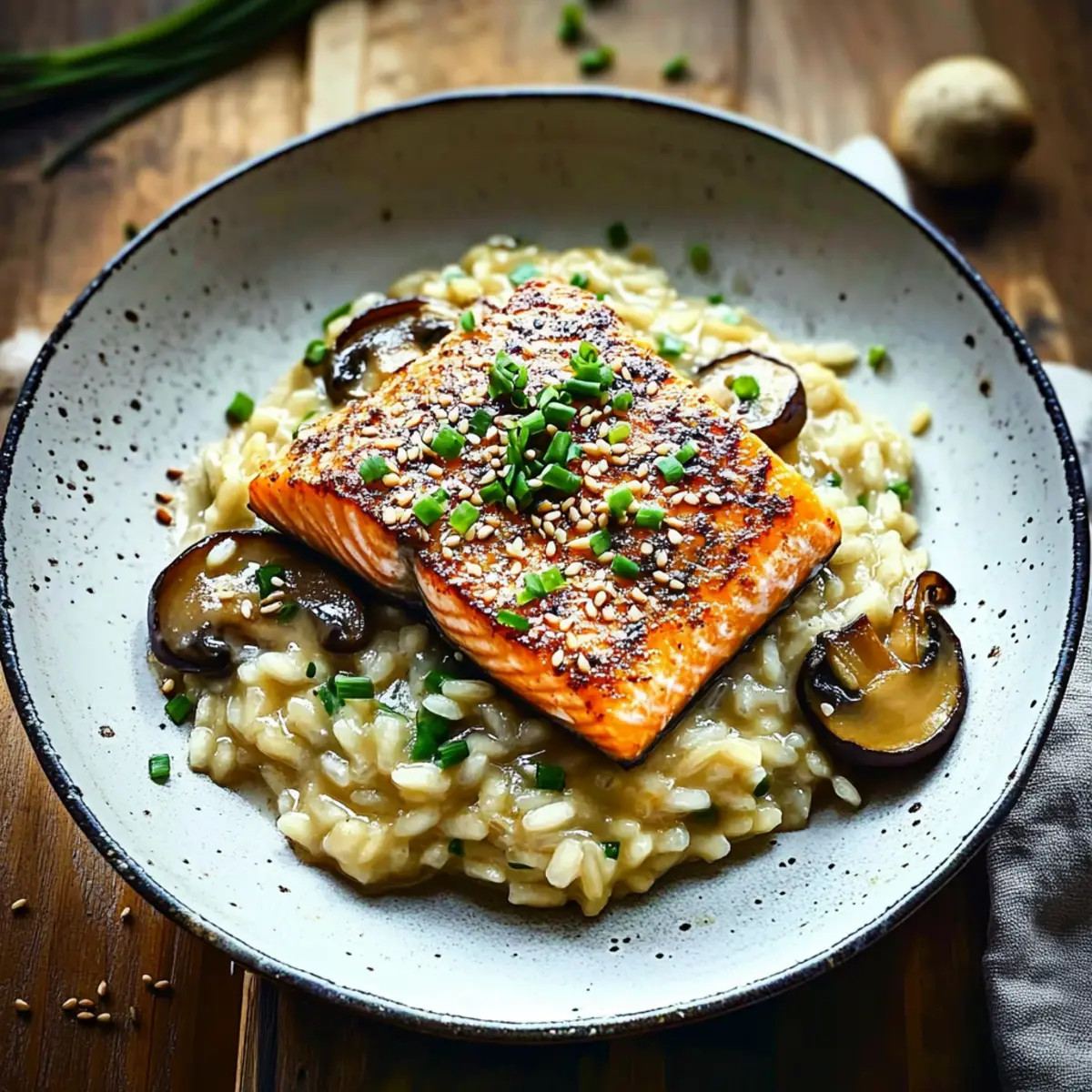
Spoon generous amounts of the creamy Japanese Style Risotto into warm bowls and place a beautifully seared salmon fillet on top of each serving. Finish by sprinkling black pepper, fresh chives, and sesame seeds for a colorful garnish. This final touch not only enhances the visual appeal but also adds layers of flavor to your delightful meal.
Expert Tips for Japanese Style Risotto
- Quality Ingredients: Use fresh shiitake mushrooms for the best umami flavor. Inspect them carefully to avoid any spoiling or damage.
- Temperature Control: Maintain a steady temperature when adding broth to prevent uneven cooking and achieve the ideal creamy texture in your Japanese Style Risotto.
- Taste As You Go: Regularly taste and adjust your seasoning throughout the cooking process, ensuring your dish is flavorful and balanced.
- Resting Time: Allow the risotto to rest for a few minutes before serving. This enhances flavor melding, ensuring every bite is as delightful as the last.
- Alternate Proteins: If you’re catering to vegetarian guests, swap out the salmon for marinated tofu or tempeh without sacrificing any richness in your dish.
Japanese Style Risotto Variations & Substitutions
Feeling creative in the kitchen? Let these twists inspire you to make this dish your own!
-
Mushroom Medley: Use a mix of shiitake, cremini, and oyster mushrooms for a richer flavor profile. The variety can make each bite a new discovery!
-
Vegan Twist: Swap salmon for marinated tofu or tempeh and adjust the soy sauce to keep those delightful umami notes. Achieving a cruelty-free version doesn’t mean sacrificing taste!
-
Spicy Kick: Add a splash of sriracha or a sprinkle of red pepper flakes for an extra kick of heat. The warmth can turn up the excitement, especially on chilly evenings!
-
Coconut Creaminess: Stir in coconut milk instead of adding chicken broth to bring a tropical twist to your creamy risotto. It offers an exciting flavor contrast and a delightful richness.
-
Herb Infusion: Mix in fresh herbs like basil, cilantro, or even dill for a bright and fragrant lift. These herbs can make your dish sing with freshness and color!
-
Nutty Variation: Top with toasted almonds or sesame seeds for a delectable crunch that adds texture and depth. The nuttiness pairs perfectly with all the flavors!
-
Citrus Zing: A squeeze of lemon or lime juice right before serving can brighten and elevate the dish, adding a refreshing note to the hearty flavors.
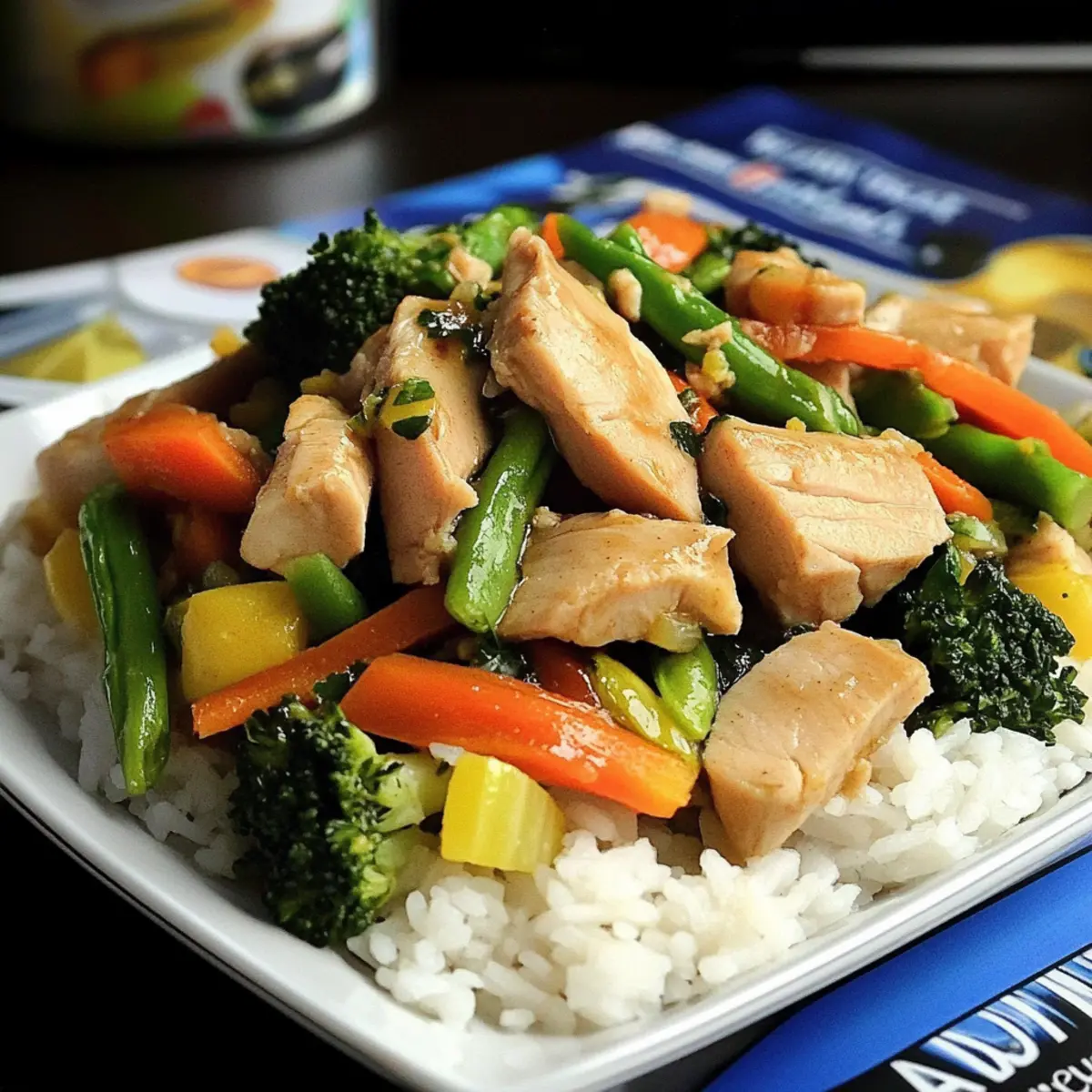
Feeling adventurous? Try out variations based on your pantry staples or add a splash of flavors reminiscent of my Chinese Chicken with Green Beans for a fusion fun twist!
Happy cooking!
What to Serve with Savory Japanese Style Risotto with Seared Salmon
Elevate your meal experience by pairing this creamy, umami-rich dish with sides that complement its delightful flavors and textures.
- Steamed Asparagus: The bright, crisp spears add a fresh crunch, pairing beautifully with the luscious risotto.
- Cucumber Salad: This light, refreshing salad offers a crisp contrast, balancing the creamy risotto with a zesty dressing for a delightful pop of flavor.
- Miso Soup: A warm bowl of miso soup not only connects with the Japanese theme but also enhances the meal’s comforting, umami elements.
- Roasted Broccoli: Tender, roasted broccoli with a hint of garlic adds a savory element and a satisfying crunch, rounding out the flavors perfectly.
- Pickled Ginger: These tangy slices provide a sharp bite that cuts through the richness of the salmon and risotto, making each bite feel fresh and exciting.
- Chardonnay: A glass of lightly oaked Chardonnay enhances the flavors of the dish while its crisp acidity balances the creamy texture of the risotto.
- Chocolate Mousse: For dessert, a smooth chocolate mousse offers a delightful, indulgent finish to your meal, contrasting the savory flavors with sweet decadence.
How to Store and Freeze Japanese Style Risotto
Fridge: Store any leftover Japanese Style Risotto in an airtight container for up to 3 days. To reheat, add a splash of broth to maintain creaminess.
Freezer: Freeze the cooked risotto (without salmon) in a tightly sealed container for up to 2 months. Thaw in the fridge overnight before gently reheating on the stovetop.
Reheating: When reheating, use a medium-low flame, adding a little chicken broth or water to keep it from drying out, ensuring your risotto remains deliciously creamy.
Make Ahead Options
These Savory Japanese Style Risotto with Seared Salmon are perfect for meal prep! You can chop the vegetables (shiitake mushrooms, celery, onion, and garlic) up to 24 hours in advance and store them in an airtight container in the refrigerator. Additionally, the risotto can be cooked without the salmon and refrigerated for up to 3 days; simply reheat it gently with a splash of broth to restore its creamy texture. When you’re ready to serve, sear the marinated salmon just before plating for that fresh, delightful finish. Following these make-ahead tips not only saves you precious time on busy weeknights but also ensures your meal is just as delicious as if made fresh!
Japanese Style Risotto with Seared Salmon Recipe FAQs
How do I choose ripe and fresh ingredients?
Absolutely! When selecting shiitake mushrooms, look for firm, plump caps with a rich dark color; avoid those with dark spots all over. Fresh salmon should have a bright, clear eye and a moist texture without any strong fishy odor. For the best flavor, always opt for fresh, high-quality ingredients.
What are the best storage methods for leftovers?
Very! Store any leftover Japanese Style Risotto in an airtight container in the fridge for up to 3 days. When reheating, add a splash of chicken broth to bring back the creamy texture. For longer storage, place the risotto (without salmon) in a sealed container and freeze it for up to 2 months. Just thaw it in the fridge overnight before reheating.
Can I freeze the risotto? How?
Absolutely! To freeze your Japanese Style Risotto, ensure it has cooled completely to prevent ice crystals. Transfer the risotto (without salmon) to a tightly sealed container or a freezer-safe bag, squeezing out excess air. Label with the date and freeze for up to 2 months. When you’re ready to enjoy, thaw in the refrigerator and gently reheat on the stovetop with a bit of broth for that creamy finish.
What if my risotto turns out too thick?
That happens! If your risotto becomes too thick, simply add a bit more hot broth or water while stirring gently until you reach your desired consistency. This process helps restore creaminess and maintain the delicious flavors of your Japanese Style Risotto. Always remember to taste and adjust seasoning after adding liquid.
Are there any dietary considerations for this recipe?
Very! For those with gluten sensitivities, swap low sodium soy sauce with tamari to ensure a gluten-free option. To make the dish vegetarian, replace salmon with marinated tofu or tempeh, and use vegetable broth instead of chicken broth. Always double-check ingredient labels for any potential allergens if cooking for others.
How can I make this recipe more customizable?
The more the merrier! You can easily adapt the Japanese Style Risotto with Seared Salmon by incorporating different vegetables like asparagus or spinach, or by adding spices like sriracha for a spicy kick. Additionally, consider garnishing with fresh herbs like cilantro or basil to brighten things up.
Savory Japanese Style Risotto with Seared Salmon Bliss
Ingredients
Equipment
Method
- Step 1: Marinate the Salmon - Whisk together soy sauce, white wine, and sugar. Add salmon and marinate for at least 10 minutes.
- Step 2: Prep the Vegetables - Tear shiitake mushrooms, dice celery, chop onion, and mince garlic.
- Step 3: Sauté Shiitake - Heat olive oil, sauté shiitake mushrooms for 5-7 minutes, add soy sauce, then set aside.
- Step 4: Cook Aromatics - In the same skillet, sauté celery, onion, and garlic until translucent, about 3-4 minutes.
- Step 5: Toast the Rice - Add rice, toast for 1-2 minutes, deglaze with wine and cook until mostly absorbed.
- Step 6: Add Broth Gradually - Slowly add broth, stirring frequently for about 15 minutes until nearly al dente.
- Step 7: Incorporate Shiitakes and Miso - Fold in mushrooms and mix in dissolved miso paste for umami richness.
- Step 8: Sear the Salmon - Heat butter and olive oil, sear salmon for 4 minutes per side until cooked through.
- Step 9: Plate and Serve - Spoon risotto into bowls, place salmon on top, garnish with pepper, chives, and sesame seeds.