As I whisked away the remnants of winter from my kitchen, it hit me: there’s something so invigorating about spring ingredients. That’s when I stumbled upon the idea of Pasta e Piselli, or Pasta with Peas. This simple, yet delightful dish embodies the very essence of the season, marrying the comforting bite of pasta with the sweet freshness of bright green peas. With just five ingredients and minimal prep, this vegetarian recipe is not only a breeze to prepare but also a perfect opportunity to impress friends or family with a taste of the Mediterranean. Whether enjoyed for a cozy weeknight dinner or dressed up for a gathering, you’ll find this dish is as versatile as it is delicious. Ready to bring a taste of spring to your table?
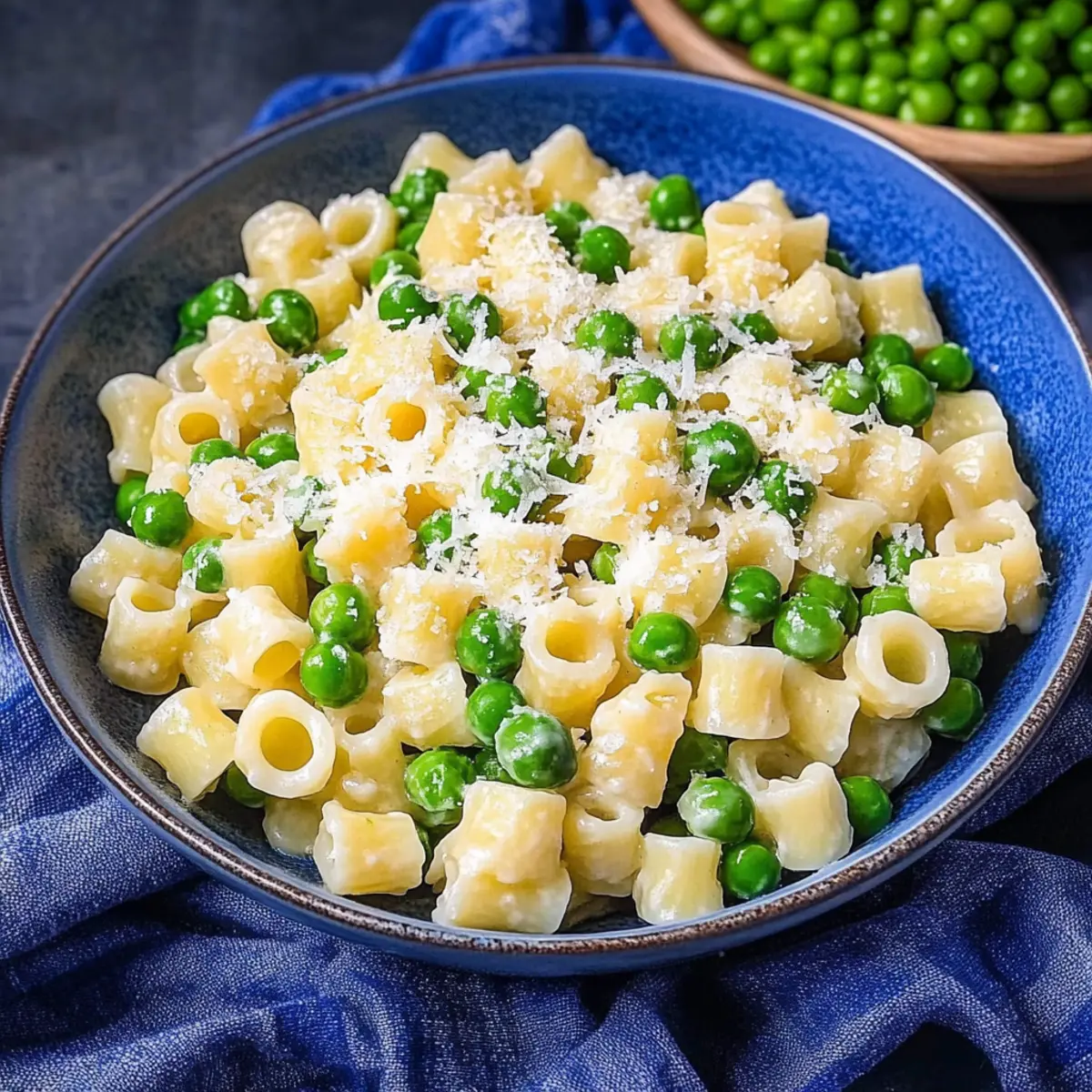
Why is Pasta with Peas so special?
Simplicity, this recipe requires minimal ingredients and effort, making it ideal for busy weeknights.
Bright, Fresh Flavors shine through in every bite, thanks to the sweet peas and aromatic shallots.
Versatile Option: Feel free to customize with ingredients like pancetta or fresh herbs to elevate the dish.
Crowd-Pleasing Appeal: Perfect for family dinners or entertaining friends—everyone will love it!
Nutritious Choice: Packed with protein and fiber, this dish supports a healthy lifestyle without sacrificing taste.
For more delightful combinations, check out my recipe for Ground Beef Pasta for a heartier option or try the refreshing Cajun Chicken Pasta for a kick!
Pasta with Peas Ingredients
-
For the Base
-
Extra Virgin Olive Oil – This key ingredient provides richness and depth of flavor; always choose high-quality oil for the best results.
-
Shallot – Adds a lovely mild sweetness and aromatic base; feel free to substitute with yellow onion if needed.
-
For the Pasta
-
Fresh or Frozen Peas (500 g / 1 lb) – The star of Pasta with Peas; these sweet greens add a burst of color and flavor. Baby peas or petit pois work wonderfully for their sweetness and quick cook time.
-
Ditalini Pasta (320 g / 11 oz) – The recommended pasta shape for this dish; its small form complements the sauce perfectly. Swap in other small pasta shapes if desired.
-
For Flavor
-
Parmesan Cheese (50 g / 1 cup, freshly grated) – A sprinkle of this cheese adds a savory, umami note; substitute with Pecorino Romano or omit for a vegan version.
Step‑by‑Step Instructions for Pasta with Peas
Step 1: Sauté the Shallots
Begin by heating 2 tablespoons of extra virgin olive oil in a large, deep pan over medium heat. Once the oil glistens, add 1 finely chopped shallot and sauté for 3–4 minutes, stirring occasionally, until the shallot becomes translucent and aromatic. This will create a flavorful base for your Pasta with Peas.
Step 2: Cook the Pasta
While your shallots are sautéing, bring a large pot of salted water to a rolling boil. Add 320 g of ditalini pasta and cook it for half of the package’s cooking time—about 4 to 5 minutes. Remember to reserve at least 1 liter (4 cups) of the starchy pasta cooking water before draining the pasta. This water will help create a luscious sauce.
Step 3: Combine with Peas
With the pasta cooked, add 500 g of fresh or frozen peas to the pan with the sautéed shallots. Pour in 1 cup of the reserved pasta water, stirring gently. Allow the mixture to simmer for 10–15 minutes, until the peas are tender yet vibrant green. This simmering process helps meld the flavors for the Pasta with Peas.
Step 4: Finish the Pasta
After the peas have softened, transfer the drained ditalini pasta into the pan. Gradually add more of the reserved pasta water, about half a cup at a time, as you toss the pasta in the sauce. Continue cooking and stirring for an additional 5 minutes, until the pasta reaches an al dente texture and the mixture is creamy. Ensure there’s still a bit of liquid; it adds to the delightful broth-like quality.
Step 5: Stir in the Cheese
Remove the pan from heat and stir in 50 g of freshly grated Parmesan cheese, allowing it to melt and combine with the warm pasta. Season generously with salt and freshly ground black pepper to taste. You can also add extra Parmesan for a garnish, enhancing the dish’s umami richness and making your Pasta with Peas even more inviting.
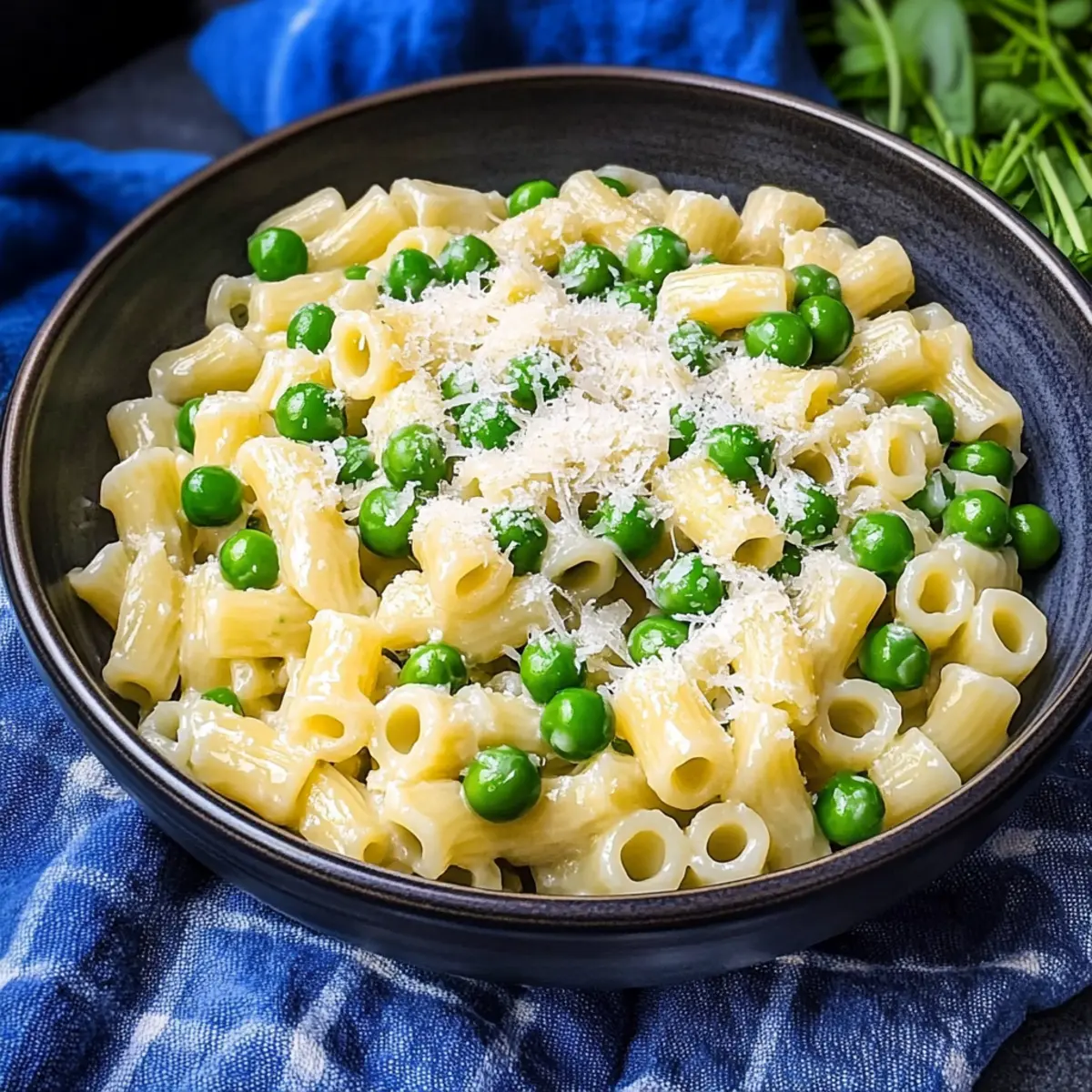
What to Serve with Pasta e Piselli
Elevate your dining experience with delightful pairings that bring out the best in this vibrant, comforting dish.
- Garlic Bread: Perfect for scooping up the creamy broth, this crispy, buttery delight is always a favorite at the dinner table.
- Mixed Green Salad: A fresh salad tossed with a light vinaigrette adds a crunchy texture and bright flavors, balancing the richness of the pasta.
- Grilled Vegetables: The smoky char of grilled zucchini and bell peppers brings a delicious contrast, enhancing the springtime essence of your meal.
- Sautéed Spinach: Mildly seasoned spinach adds a nutritious green aspect, harmonizing with the sweetness of the peas in the pasta.
- White Wine: An icy glass of Sauvignon Blanc or Pinot Grigio can beautifully complement the dish’s flavors, adding a refreshing touch.
- Lemon Sorbet: Serve this as a palate cleanser after the meal, infusing a zesty brightness that rounds off your dining experience perfectly.
- Parmesan Crisps: These crunchy, cheesy bites make for an addictive appetizer, harmonizing with the main dish’s cheesy finish.
- Roasted Asparagus: The tender, slightly crispy asparagus drizzled with olive oil adds a seasonal element, enhancing the Mediterranean vibe.
- Fresh Herb Garnish: Finish your meal with a sprinkle of fresh basil or mint on top of the pasta for a burst of color and fragrant aroma.
Expert Tips for Pasta with Peas
- Choose Quality Oil: Use high-quality extra virgin olive oil to elevate the flavor of your Pasta with Peas. It makes a noticeable difference!
- Keep Peas Fresh: If using fresh peas, look for bright, tender pods for the best sweetness. Frozen peas are a great alternative if fresh isn’t available.
- Reserve Pasta Water: Always reserve enough pasta cooking water. This starchy liquid is essential for achieving that creamy, sauce-like consistency.
- Don’t Overcook the Pasta: Aim for al dente when cooking the ditalini. Overcooking will result in mushy pasta that can dilute the lovely brothiness of the dish.
- Experiment with Flavors: Feel free to add ingredients like fresh herbs or chopped pancetta to customize your dish, enhancing the flavors of your Pasta with Peas.
- Rest and Reheat: If you have leftovers, allow them to cool and store them in an airtight container. Reheat gently on the stove with a splash of reserved pasta water for best results.
Pasta with Peas: Fun Variations Await
Feel free to get creative and make this dish your own with these delightful twists!
-
Veggie-Packed: Add a variety of chopped seasonal vegetables like asparagus or zucchini to boost nutrients and color. Mix them in with the peas for a stunning visual and flavor enhancement.
-
Herb-Infused: Try adding fresh herbs such as basil, mint, or parsley right before serving to elevate the dish with fresh, aromatic notes. Simply chop and sprinkle on top for a burst of flavor!
-
Extra Crunch: Toasted pine nuts or walnuts can be added for a delightful crunch and nutty flavor. Toss a handful in just before serving to enhance the texture.
-
Spicy Kick: For those who like a bit of heat, a sprinkle of red pepper flakes or a dash of cayenne pepper will spice things up delightfully. Just be careful not to overpower the dish!
-
Creamy Delight: Incorporate a splash of heavy cream or a dollop of crème fraîche for a richer, creamier sauce that complements the sweet peas beautifully.
-
Savory Twist: Add sautéed pancetta or bacon with the shallots for a savory depth. The salty richness will transform your meal into a comforting indulgence!
-
Citrus Zing: A squeeze of lemon juice or zest can brighten up the flavors immensely. This simple addition can make your Pasta with Peas even more refreshing!
For additional inspiration on how to create heartier meals, consider trying my Braised Short Pasta for a comforting dish or explore the delightful flavors in a Vegetable Pasta Bake.
Make Ahead Options
These Pasta with Peas are a game-changer for meal prep enthusiasts! You can chop your shallots and measure out your pasta and peas up to 24 hours in advance for an easy cooking experience. Simply refrigerate the prepped ingredients in airtight containers to maintain freshness. If you’re really short on time, you can cook the pasta and peas together, allowing the flavors to meld; they’ll stay good for up to 3 days in the fridge. When you’re ready to serve, just reheat your mixture gently in a pan, adding a splash of reserved pasta water to regain that creamy texture, and finish with the Parmesan for a delicious, comforting dish that’s just as good as fresh!
How to Store and Freeze Pasta with Peas
- Room Temperature: Pasta with peas should ideally not be left out at room temperature for more than 2 hours to prevent spoilage.
- Fridge: Store leftovers in an airtight container for up to 3 days. The flavors will meld even more as it sits!
- Freezer: You can freeze Pasta with Peas for up to 2 months. Make sure to use freezer-safe containers and leave space for expansion.
- Reheating: To reheat, thaw in the fridge overnight, then warm on the stove with a splash of reserved pasta water to retain its creamy texture.
Pasta with Peas Recipe FAQs
How do I choose the best peas for this recipe?
Absolutely! When selecting peas, look for fresh, bright green ones without dark spots or blemishes. If using frozen peas, opt for high-quality brands with a bright color and free from ice crystals. Baby peas or petit pois are especially sweet and tender, making them perfect for this dish.
What is the best way to store leftovers?
To store leftovers, place them in an airtight container and refrigerate for up to 3 days. To revive the dish when reheating, add a splash of water to the pot and warm it gently on the stove. This will help restore its creamy texture and prevent it from becoming dry.
Can I freeze Pasta with Peas?
Absolutely! You can freeze Pasta with Peas for up to 2 months. To do this, allow the dish to cool completely, then transfer it to freezer-safe containers, leaving some space for expansion. When you’re ready to eat, thaw it in the refrigerator overnight and reheat on the stove with a little reserved pasta water for the best results.
What should I do if my sauce is too thick?
If you find that your sauce has become too thick, don’t worry! You can easily fix this by gradually adding a bit of reserved pasta water while stirring. This will help loosen the sauce to the desired consistency. Aim for a creamy texture that clings to the pasta without being overly soupy.
Are there any common allergens in this recipe?
This Pasta with Peas recipe contains gluten (from the pasta) and dairy (from the Parmesan cheese). If you or your loved ones have allergies, you can substitute the pasta with a gluten-free variety and omit the cheese or use a dairy-free alternative like nutritional yeast for a similar flavor.
Can I add meat or other ingredients to this dish?
Very! For those who enjoy a heartier meal, you can add chopped pancetta or bacon when sautéing the shallots. Alternatively, feel free to incorporate cooked chicken or shrimp. Fresh herbs like basil or mint can also elevate the flavor and add a delightful freshness to the dish.
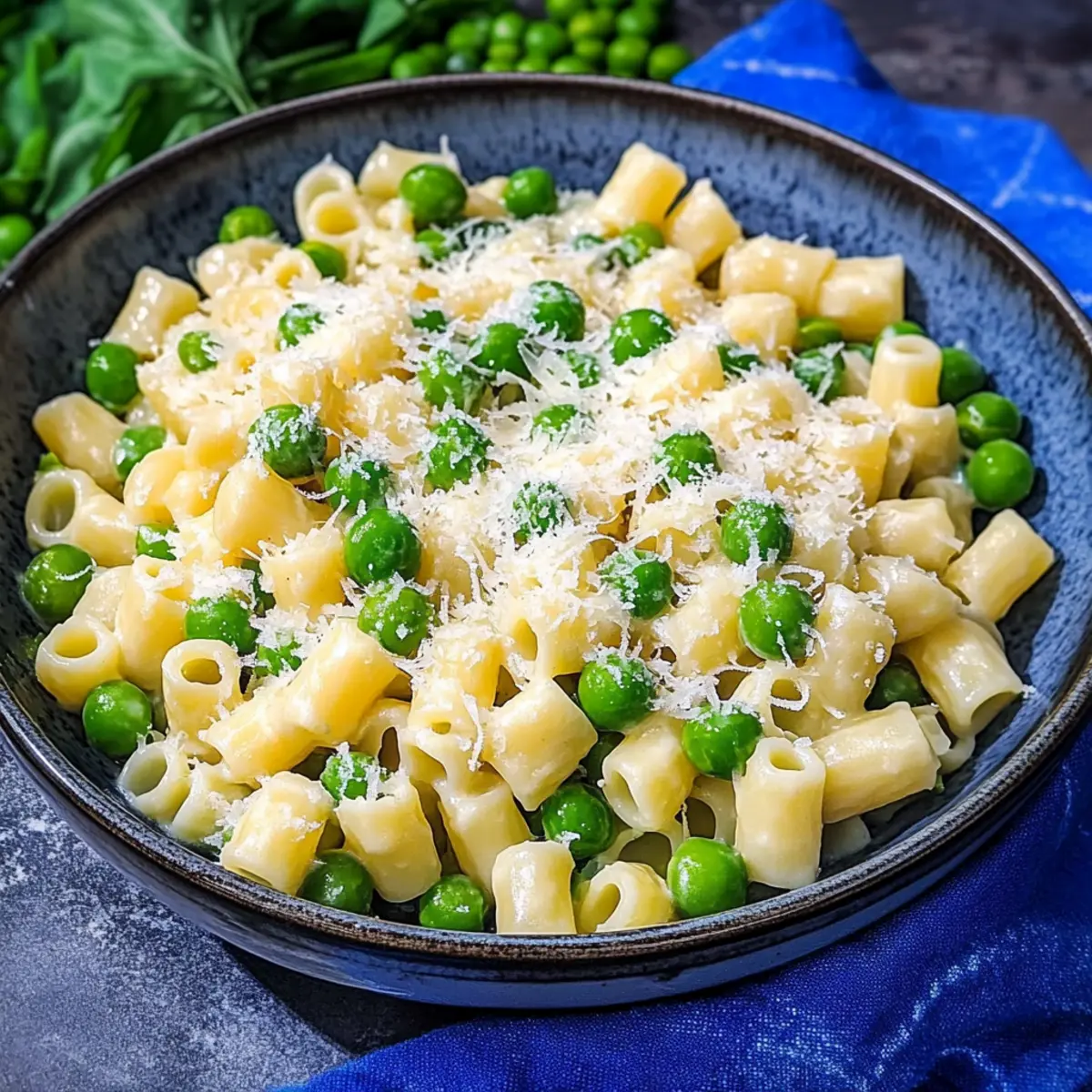
Pasta with Peas: A Simple Dish Bursting with Spring Flavor
Ingredients
Equipment
Method
- Begin by heating 2 tablespoons of extra virgin olive oil in a large, deep pan over medium heat. Add 1 finely chopped shallot and sauté for 3–4 minutes until translucent.
- Bring a large pot of salted water to a boil. Add 320 g of ditalini pasta and cook for 4 to 5 minutes. Reserve at least 1 liter (4 cups) of pasta water before draining.
- Add 500 g of fresh or frozen peas to the pan with the sautéed shallots. Pour in 1 cup of reserved pasta water, and simmer for 10–15 minutes until the peas are tender.
- Transfer the drained ditalini pasta into the pan. Gradually add more reserved pasta water, tossing until creamy and al dente.
- Remove from heat and stir in 50 g of freshly grated Parmesan cheese. Season with salt and pepper to taste.