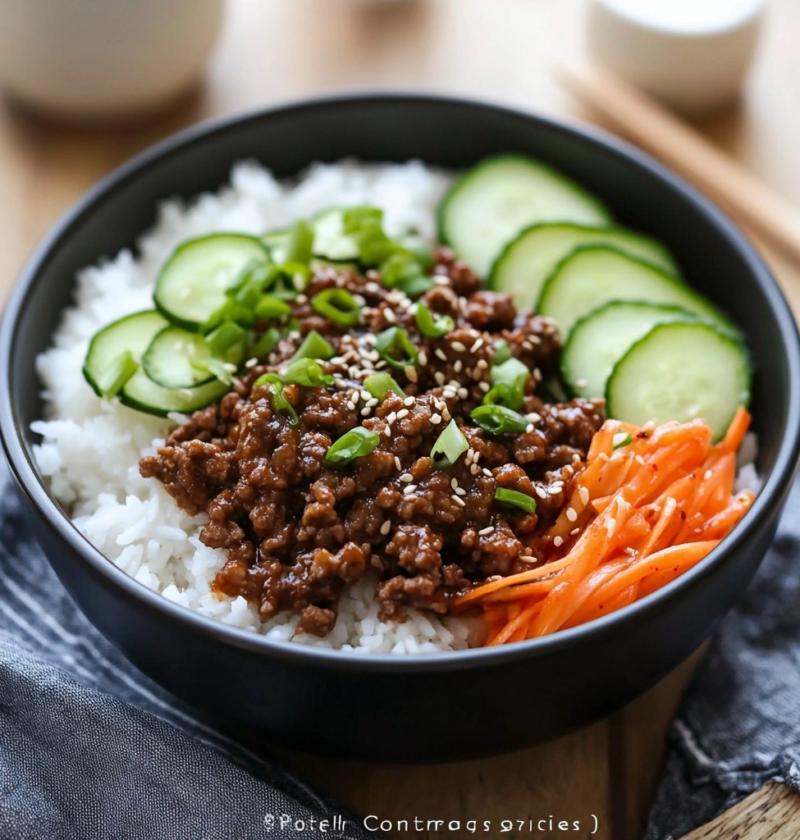
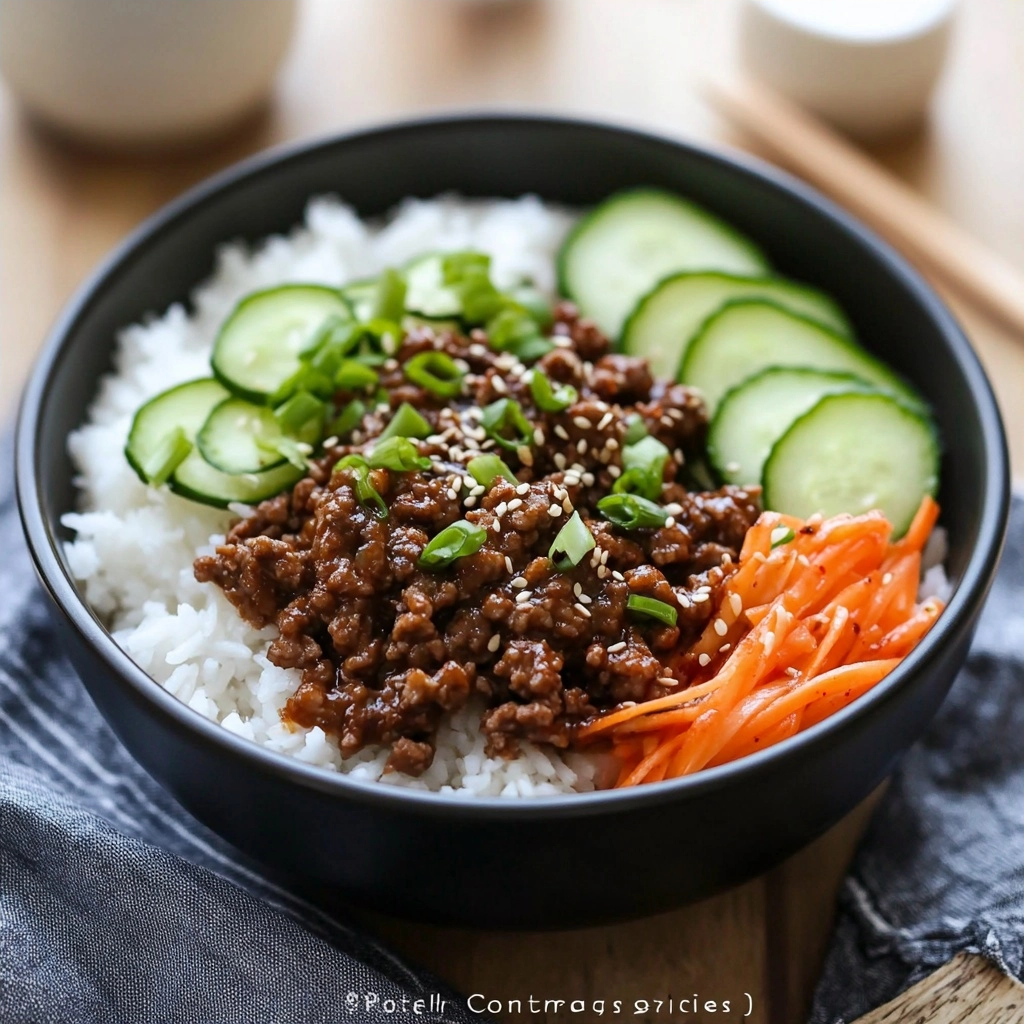
Korean Beef Cucumber Bowls deliver a bold flavor profile with fresh crunch and tender ground beef in minutes. This dish transforms simple pantry staples into a satisfying dinner that balances savory, sweet, and spicy elements perfectly. Home cooks love this dish because preparation is quick, and the taste is remarkably complex for such an easy meal. You will appreciate the texture contrast between the soft beef and crisp cucumber every time you serve it.
| Detail | Information |
|---|---|
| Prep Time | 15 minutes |
| Cook Time | 15 minutes |
| Total Time | 30 minutes |
| Servings | 4 servings |
| Difficulty | Easy |
| Cuisine | Korean Inspired |
| Category | Dinner |
| Method | Stovetop Pan-Fry |
Why This Recipe Works
This recipe delivers consistently excellent results because the glaze sticks perfectly to the beef and caramelizes without burning during the final cook. I have tested this dish repeatedly to ensure the balance of sweet, salty, and spicy flavors remains intact every time you make it. The key is managing the heat so the beef browns deeply while allowing the sauce to reduce into a glossy coating.
The freshness of the cucumber adds a necessary cooling element that balances the rich heat of the soy sauce and sriracha components. Many similar dishes rely on heavy sauces that mask the actual flavor of the meat, but this bowl highlights the natural beef taste with a light but potent glaze. Using lean ground beef ensures you do not have to drain excessive grease, which prevents the rice from becoming soggy or greasy.
I also find this recipe works exceptionally well for families with different taste preferences because the components are customizable on the table. You can adjust the spice level simply by adding more or less sriracha to individual portions before eating. This flexibility makes it a reliable weekly staple that keeps dinner interesting without requiring complex planning or shopping trips.
Chef Tips for Perfect Results
You can achieve restaurant quality results at home by paying close attention to the heat timing and the reduction of the sauce during the cooking process.
- Prep All Vegetables First: Having your cucumbers and carrots sliced before you start cooking prevents the beef from overcooking while you wait. Time management is crucial when working with high heat to ensure everything is ready simultaneously.
- Pat Beef Dry: Ensure your lean ground beef is not wet from the package before adding it to the skillet. Excess moisture will steam the meat rather than brown it, resulting in a less flavorful texture that lacks the desired crust.
- Control the Heat: Use medium-high heat for the beef and lower the heat slightly when adding the sauce. High heat helps the oil sizzle and brown the meat, but lower heat allows the glaze to thicken without burning the garlic or ginger.
- Watch the Sauce: Do not let the sauce boil away completely before the dish is served. You want a slight coating of liquid on the beef so it stays moist and glossy when plated over the rice.
- Squeeze Lemon: A tiny squeeze of fresh lemon juice before serving brightens the heavy umami flavors in the soy sauce and enhances the overall taste profile.
- Cool the Rice: Letting the cooked rice cool slightly before serving helps the grains remain firm rather than mushy, providing a better foundation for the beef topping.
- Layer Toppings: Place the beef directly on the rice, then arrange the cucumber and carrots on top so the garnish stays crisp. This visual layering ensures the textural contrast is preserved until the moment you begin eating.
- Toast Sesame Seeds: Lightly toasting sesame seeds in a dry pan before sprinkling them adds a deeper nutty aroma that complements the beef flavor perfectly.
Common Mistakes to Avoid
Many home cooks struggle with the texture and seasoning of this dish because they overlook a few critical steps during the cooking phase.
| Mistake | Why It Happens | How to Fix It |
|---|---|---|
| Sauce becomes too thick | Boiling the sauce for too long reduces it excessively. | Add a splash of water or broth to loosen the consistency before serving. |
| Beef remains pink or gray | Heat is too low, causing steaming instead of searing. | Increase the heat to medium-high to ensure proper browning and evaporation. |
| Cucumber turns soggy | Cucumber is sliced too early and sits in moisture. | Slice cucumbers immediately before assembling the bowls to maintain crunch. |
| Dish tastes too salty | Soy sauce and tamari are already high in sodium. | Taste the sauce after mixing and hold off adding extra salt until the end. |
| Rice absorbs sauce too quickly | Rice is served piping hot or too dry initially. | Ensure rice has some moisture but is not soupy before adding the beef. |
| Garlic burns quickly | Adding minced garlic before the beef is browned. | Add garlic and ginger only after the juices have evaporated from the beef. |
Variations and Substitutions
You can easily adapt this recipe to accommodate different dietary needs or to utilize whatever ingredients are currently available in your pantry.
| Ingredient or Element | Substitution or Variation | Impact on Flavor or Texture |
|---|---|---|
| Ginger or Garlic | Pre-minced jarred versions or ginger powder | Convenience increases but fresh zest is slightly reduced in intensity. |
| Ginger or Garlic | Omit entirely due to sensitivities | Flavor profile becomes milder and less aromatic without the spices. |
| Ground Beef | Ground turkey or chicken | Lower fat content results in a lighter mouthfeel and different searing. |
| Ground Beef | Plant-based ground crumbles | Maintains texture but changes the savory umami depth significantly. |
| Soy Sauce | Coconut Aminos or Tamari | Gluten-free options provide a sweeter and slightly less salty note. |
| Sriracha | Chili flakes or fresh jalapeño | Adjusts heat level significantly while changing the texture from oil-based sauce. |
| Rice | Cauliflower rice or Quinoa | Grains change in texture and fiber content for a healthier carb profile. |
| Sriracha Mayo | Hummus mixed with chili oil | Provides creaminess and fat content without dairy or mayonnaise. |
| Sesame Oil | Avocado oil or Olive oil blend | Reduces strong nutty flavor but provides a neutral high-heat cooking base. |
Serving Suggestions and Pairings
Serving these bowls correctly involves pairing them with complementary sides and drinks that enhance the Korean-inspired flavors without overpowering them.
- Serve with a simple side of kimchi for fermented tang and additional spicy crunch.
- Add steamed broccoli or bok choy to increase the vegetable content significantly.
- Offer a cold glass of iced jasmine tea to cleanse the palate between bites.
- Pair with pickled radish slices for an acidic contrast to the rich beef sauce.
- Sip on a fresh cucumber and mint salad to cool the heat of the spicy sauce.
- Use a crispy spring roll as a starter appetizer before the main beef bowl.
- Include a light miso soup to round out the meal with warm comfort elements.
- Serve warm crusty garlic bread if you want to soak up any extra beef sauce.
- Top with fried egg to add richness and a runny yolk for extra sauce mixing.
- Include edamame beans on the side for added plant-based protein and color.
- Finish the meal with green tea ice cream instead of heavy dessert options.
- Make it a family potluck dish by letting guests choose their own sauce heat levels.
A complete meal idea would include the Korean Beef Cucumber Bowls served with steamed broccoli and a glass of coconut water for hydration and electrolytes. This combination provides a balanced macronutrient profile that is satisfying for dinner without leaving you feeling overly heavy or sluggish.
Make Ahead Options
You can prepare the beef and rice components several days in advance without compromising the quality or safety of the dish.
Cook the rice and beef mixture up to three days ahead of time and store them separately in airtight containers in the refrigerator. This ensures you do not have to wait during meal prep when you simply want to heat and plate. The rice may dry out slightly, so sprinkle a few drops of water over it before reheating to restore moisture.
Pre-slice the cucumbers and carrots and submerge them in ice water to keep them crisp until the moment you assemble the bowls. This trick maintains the crunch and visual appeal even after sitting in the fridge overnight. Just drain and pat dry before adding them to the hot beef and rice for serving.
Storage and Reheating
Proper storage is essential to maintain the quality of the beef and ensure food safety for leftovers.
| Method | Duration | Instructions |
|---|---|---|
| Room Temperature | 1 to 2 hours | Leave uncovered only if eating immediately, then refrigerate quickly. |
| Refrigerator | 3 to 4 days | Store beef and rice in separate airtight containers to prevent sogginess. |
| Freezer | 2 to 3 months | Cool completely before sealing in freezer bags and removing as much air as possible. |
| Reheating | 2 minutes | Microwave rice with a damp paper towel or pan-fry beef in a skillet with a splash of water. |
| Make Ahead | 3 days | Prepare rice and beef in advance, but keep fresh vegetables separate. |
Nutritional Information
Approximate values are based on one serving and may vary depending on exact ingredients and portion size.
| Nutrient | Amount per Serving |
|---|---|
| Calories | 450 |
| Protein | 30 grams |
| Fat | 25 grams |
| Saturated Fat | 8 grams |
| Carbohydrates | 40 grams |
| Fiber | 3 grams |
| Sugar | 6 grams |
| Sodium | 800 milligrams |
Frequently Asked Questions
Can I use substitute ground beef for this recipe?
Yes, you can use ground turkey, chicken, or even a plant-based alternative for this dish. The cooking times and liquid absorption will vary slightly, so you should adjust the cooking duration based on the protein used. Leaner meats like turkey will cook faster but may require a bit more oil to prevent sticking in the pan.
How do I know when the beef is fully cooked?
The beef is safe to eat once there are no pink parts visible and the internal temperature reaches 165 degrees Fahrenheit. You should also see that the meat has released liquid and then evaporated it for a proper sautéed texture. If you see browned bits sticking to the pan, the beef has likely achieved the desired sear.
What should I do if my sauce is too watery or too dry?
If your sauce is too watery, continue cooking on medium-high heat to reduce the liquid before adding the final garnish. If it becomes too dry, add a splash of water or broth to loosen the consistency immediately. You want a coating that clings to the meat without pooling on the plate.
Can I prepare this meal for several days in advance?
Yes, you can prepare the beef and rice ahead of time and store them individually for up to three days in the refrigerator. Assemble the fresh vegetables like cucumber and carrots only when you are ready to eat to maintain their texture. Reheat gently to avoid drying out the protein or the grains.
What is the best way to add the Korean Beef Cucumber Bowls to a lunch box?
Allow the beef and rice to cool completely before packing them into a microwave-safe container to prevent condensation and sogginess. Pack the cucumber and carrots in a separate small container or bag so they stay crisp until eating time. This prevents the salad components from wilted during transport and reheating.
How do I store the leftovers most effectively without losing flavor?
Store the cooked beef and rice in an airtight container immediately after cooling to room temperature to lock in freshness. The flavors often deepen after sitting in the fridge for a day, making it a great option for meal prep. Just ensure you reheat the beef thoroughly before consuming the leftovers.
Conclusion
This simple and flavorful dish brings a burst of Asian-inspired taste to your everyday table with minimal effort. The Korean Beef Cucumber Bowls provide a perfect balance of savory, spicy, and fresh flavors that satisfy every craving. You will enjoy the satisfying texture and the ease of cleanup that this healthy meal offers your family. Enjoy every bite of this delicious and quick weeknight dinner solution.
Korean Beef Cucumber Bowls
Ingredients
Method
- Preheat skillet over medium-high heat
- Pat beef dry and add to hot skillet
- Brown beef for 5-6 minutes
- Meanwhile mix soy sauce, sriracha, ginger, garlic, and hoisin into a glaze
- Pour glaze over beef, reduce heat to medium
- Cook 5 minutes, stirring until sauce caramelizes
- Add julienned carrots, sauté 2 minutes
- Slice cucumbers on bias
- Assemble bowls with rice, beef mixture, cucumber slices, and flair with sesame seeds/green onion
Nutrition
Notes
Burn excess fat from beef for sealed texture
Add 1 tsp rice vinegar to sauce for brightness (optional)
Use siracha to adjust spice at serving
Recipe freezes well up to month (store sauce separately)